By Dean Gill, Director, Martin & Co Worksop
As winter sets in across Nottinghamshire, many homeowners in Worksop are asking the same question: why does my home still feel cold, even with the heating on?
Rising energy bills over recent years have made heat loss more than just a comfort issue. It’s now a key consideration for buyers, who are increasingly conscious of running costs, and for sellers, who want their property to stand out, feel warm on viewings, and achieve the best possible price.
As Director of Martin & Co Worksop, I see first-hand how energy efficiency influences buyer decisions, negotiations, and ultimately, sale prices. One of the most effective and often misunderstood ways to tackle this is insulation.
This guide explains where Worksop homes typically lose heat, how much different insulation measures cost, what sort of energy savings you can realistically expect, and how improving insulation can make your property more attractive in today’s market.
Why heat loss matters more than ever in Worksop
Worksop’s housing stock is varied. From traditional Victorian and Edwardian terraces, to 1930s semis, post-war family homes and more modern estates, insulation standards can vary widely – even between neighbouring properties.
At the same time, buyers are paying closer attention to:
- Monthly running costs, not just asking price
- EPC ratings, especially where mortgage affordability is tight
- How a home feels during a winter viewing
From a seller’s perspective, a cold, draughty home can subconsciously put buyers off, even if they like everything else. From a buyer’s point of view, poor insulation often raises concerns about future expense.
In short, heat efficiency has become a marketability issue, not just a lifestyle one.
Where is your home losing heat?
Before looking at costs and savings, it helps to understand where heat typically escapes. In most homes, it’s not one big problem, but a series of smaller leaks that add up.
The roof and loft
Heat rises, and an uninsulated or poorly insulated loft is one of the biggest culprits. In older Worksop homes, I still regularly come across lofts with minimal insulation or uneven coverage.
External walls
Whether your home has cavity walls or solid walls makes a huge difference. Many properties built before the 1920s have solid walls, while later homes often have cavities that may or may not be insulated.
Floors and draughts
Suspended timber floors are common in older terraces. Without insulation beneath, they allow cold air to circulate freely. Add in gaps around skirting boards, doors, and floorboards, and heat loss accelerates.
Windows and doors
Single glazing is increasingly rare, but older double glazing or poorly fitted doors can still leak heat. Replacement isn’t always necessary, but performance matters.
Heating controls
While not insulation in the traditional sense, poor controls often mean homes are overheated in some rooms and underheated in others, increasing bills without improving comfort.
Insulation costs in 2025 – and what you might save
One of the biggest misconceptions I hear is that insulation is always expensive and disruptive. In reality, some of the highest-impact improvements are also the most affordable.
Below is a realistic overview of insulation options most relevant to Worksop homeowners.
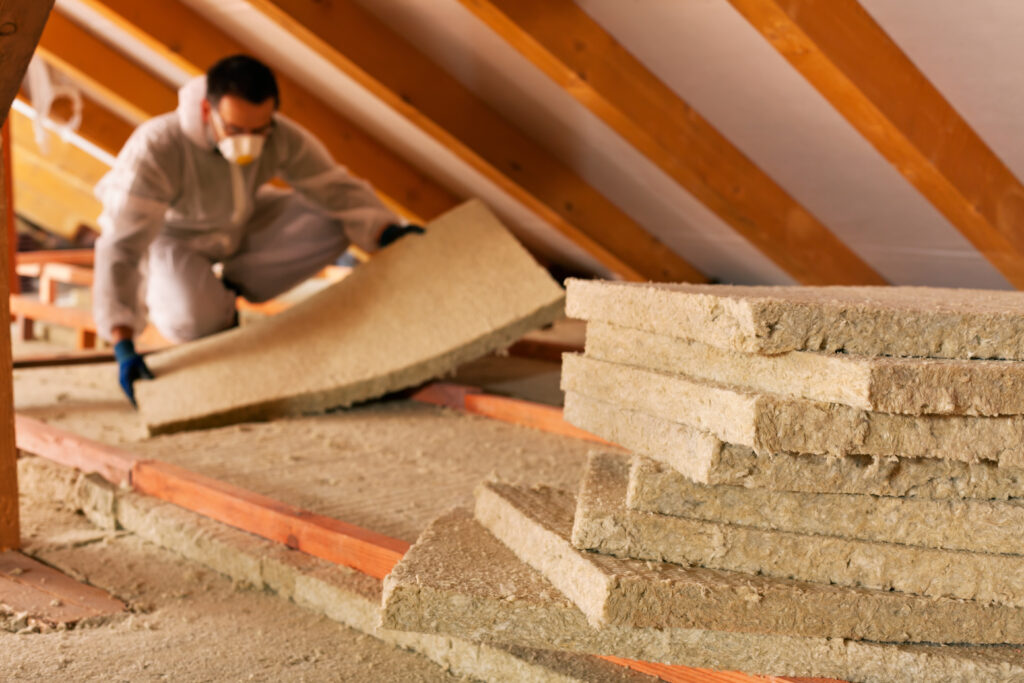
Loft insulation – the easiest win
For most homes, loft insulation offers the best return on investment.
- Typical cost:
- £300–£800 for a standard loft top-up
- More if access is difficult or boarding is required
- Typical savings:
Hundreds of pounds per year on energy bills, depending on property size and fuel type - Payback:
Often within 2–4 years
From a selling point of view, this is a quiet upgrade that buyers may not immediately see, but they will feel the benefit. It also contributes positively to your EPC score.
Cavity wall insulation – high impact, low visibility
If your home has cavity walls and they’re suitable for insulation, this can make a noticeable difference.
- Typical cost:
£700–£1,500 depending on property size - Typical savings:
Significant reductions in heat loss and more consistent indoor temperatures - Payback:
Medium-term, but with strong comfort benefits
It’s essential this is assessed properly. Unsuitable properties or poor installation can cause damp issues, which is why reputable installers and guarantees matter.
Solid wall insulation – bigger investment, bigger change
Many older Worksop terraces fall into this category.
- Typical cost:
- Internal insulation: £7,000–£12,000
- External insulation: £10,000–£20,000+
- Typical savings:
Substantial, especially for homes previously hard to heat
This isn’t a quick fix, but for homeowners planning to stay put or sellers targeting energy-conscious buyers, it can transform both comfort and EPC rating.
Underfloor insulation – underrated but effective
Where homes have suspended timber floors, insulating beneath can eliminate that persistent “cold feet” feeling.
- Typical cost:
£1,000–£2,500 depending on access - Benefits:
Improved comfort and reduced draughts
Often paired with draught-proofing, this is particularly effective in Victorian and Edwardian homes.
Insulating extensions and room-in-roof spaces
Loft conversions and extensions are often colder than the rest of the house if not insulated properly.
- Costs and savings:
Highly variable, but frequently worth addressing as these rooms are often the most complained about by buyers.
Insulation, EPCs, and property value
A common question I’m asked is: “Will insulation increase my home’s value?”
The honest answer is that insulation alone doesn’t add a fixed pound value in the way a new kitchen might. However, it influences value in three powerful ways:
- Buyer confidence
Buyers increasingly view EPC ratings as a proxy for future running costs. - Saleability
Warmer homes are easier to sell, attract fewer objections, and often receive stronger early interest. - Negotiation strength
Homes with clear evidence of energy improvements are less likely to face price reductions after surveys.
From experience, insulation works best when combined with clear documentation – receipts, guarantees, and an up-to-date EPC that reflects the improvements made.
Grants and schemes – help with insulation costs
There are still schemes available that may help with insulation costs, including:
- ECO4
- The Great British Insulation Scheme
Eligibility depends on factors such as household income, benefits, and property type. While not everyone qualifies, it’s always worth checking before paying privately.
If you’re unsure, we can point you in the right direction locally.
What we’re seeing in Worksop right now
From recent valuations and viewings across Worksop, a few patterns stand out:
- Buyers often ask about monthly energy bills before making offers
- Cold bedrooms and living rooms are flagged immediately during winter viewings
- Homes with visible improvements (new loft insulation, modern controls, good EPC ratings) tend to inspire more confidence
In several recent cases, relatively modest insulation improvements helped sellers avoid negotiation later, simply because buyers felt reassured.
If you’re selling: where to focus before listing
If you’re planning to sell in the next 6–12 months, my advice is to prioritise low-disruption, high-impact improvements:
- Top up loft insulation
- Seal obvious draughts
- Ensure cavity walls are assessed if applicable
- Gather documentation and update your EPC if needed
These steps won’t delay your sale and can make your home feel noticeably warmer during viewings.
If you’re buying: what to look out for
When viewing homes in winter, don’t be afraid to ask practical questions:
- Is the loft insulated and to what depth?
- What type of walls does the property have?
- Are there cold spots or signs of condensation?
- Has the EPC been updated recently?
Insulation issues aren’t necessarily deal-breakers, but understanding costs upfront helps you budget realistically and negotiate fairly.
Frequently asked questions
Is loft insulation really worth it?
In most cases, yes. It’s one of the cheapest and quickest ways to reduce heat loss.
Does cavity wall insulation cause damp?
Only if installed in unsuitable properties or poorly. A proper survey is essential.
Should I update my EPC after insulating?
Yes. An updated EPC ensures buyers see the benefit of the improvements you’ve made.
Do buyers really care about EPC ratings?
Increasingly, yes – especially first-time buyers and those conscious of monthly costs.
Final thoughts – warmer homes sell better
Insulation isn’t glamorous. You can’t photograph it easily, and it doesn’t have the immediate visual appeal of a new kitchen or bathroom. But in today’s market, comfort, efficiency, and confidence matter more than ever.
Whether you’re buying your next home in Worksop or preparing to sell, understanding insulation costs and benefits puts you in a stronger position.
If you’re thinking of selling and would like honest, local advice on which improvements are worth making or if you’re looking to buy and want guidance on running costs and EPCs, the team at Martin & Co Worksop would be happy to help.
Book a free valuation, or
Get in touch to discuss properties currently available in Worksop
Warm homes don’t just feel better, they sell better too.