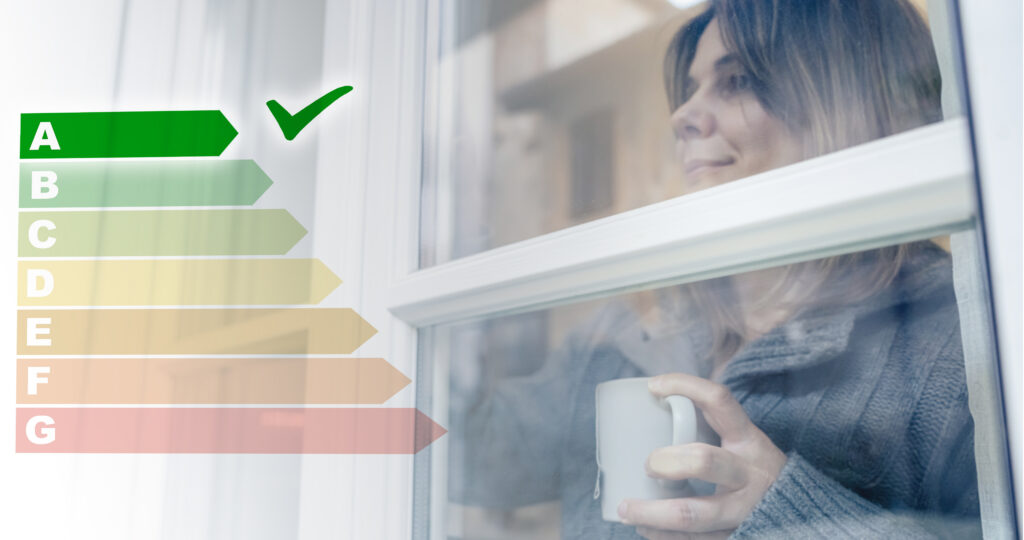
Energy efficiency has moved from a secondary consideration to a decisive factor in Stirling’s 2026 property market. Buyers are no longer just asking about location, layout, and price. They are looking closely at EPC ratings, running costs, and how a home will perform through Scottish winters.
This spring, that shift is clearly visible in sales speeds. Data shows that homes built to EPC B standards or higher, particularly newer properties near Springkerse and Forthside, are selling noticeably faster than older stock. In many cases, the difference is between a smooth sale and a property lingering on the market.
For homeowners wondering how to sell my house Stirling without losing momentum, understanding this efficiency edge is now essential. As experienced estate agents in Stirling, Martin & Co Stirling is helping sellers adapt to this change by presenting homes in a way that meets modern buyer expectations.
This guide explains why EPC ratings are influencing sale speeds, what the data tells us about buyer behaviour, and how owners of older properties can compete effectively using practical energy staging rather than costly upgrades.
Why EPC ratings matter more to Stirling buyers in 2026
Rising energy costs have made buyers far more price sensitive to monthly outgoings. Mortgage affordability may set the purchase budget, but energy bills increasingly shape which homes make the shortlist.
EPC ratings provide buyers with a simple, comparable indicator of expected efficiency. An EPC B rating suggests lower heating costs, better insulation, and modern systems. In contrast, lower ratings often signal future expense, even if the property itself is attractive.
In 2026, many buyers view EPCs as a risk filter. Homes with stronger ratings feel safer and more predictable. This perception alone can influence viewing numbers and offer speed, particularly in a competitive spring market.
For anyone thinking of selling house Stirling this year, EPC awareness is no longer optional. It directly affects how buyers respond.
What the data says about sale speeds in Stirling
Market data supports what many sellers are experiencing. Rightmove HPI analysis shows that newer, energy efficient homes in Stirling are spending fewer days on the market compared with older period properties.
Zoopla data adds further context. In 2026, EPC B properties in parts of Stirling are selling between five and ten days faster on average than comparable homes with lower ratings. While this may not sound dramatic, those days often represent the most intense phase of buyer interest.
A faster sale reduces the risk of price negotiation, maintains momentum, and limits the chance of a listing becoming stale. In contrast, slower sale speeds can trigger buyer caution and downward pressure.
Where high efficiency homes are outperforming
Springkerse
Springkerse has become a clear example of how energy efficiency influences buyer behaviour. Newer developments here typically meet higher EPC standards, with modern insulation, efficient heating systems, and contemporary layouts.
Buyers drawn to Springkerse often prioritise predictable running costs and low maintenance. As a result, properties here tend to attract decisive interest and progress quickly from viewing to offer.
Forthside
Forthside’s regeneration has introduced a new standard of housing stock to Stirling. Energy performance is built into the design, aligning closely with what 2026 buyers expect.
Homes in this area benefit from both location and efficiency. This combination explains why sale speeds are consistently strong and why EPC ratings feature prominently in buyer discussions.
For sellers elsewhere, these areas illustrate the competitive benchmark they are measured against.
Why older and period homes face stronger competition
Stirling’s older homes offer character, space, and established settings. However, buyers often approach them with assumptions about heat loss, older heating systems, and future upgrade costs.
Solid walls, traditional windows, and less visible insulation can create doubt, even when a home is comfortable in practice. These concerns can reduce urgency, particularly when efficient alternatives are available.
This does not mean older homes are undesirable. It means sellers need to address efficiency perceptions clearly and confidently.
What energy staging really means
Energy staging is about presentation, not major renovation. It focuses on helping buyers understand how a home performs day to day, rather than leaving them to imagine worst case scenarios.
Unlike upgrading, which can be costly and disruptive, staging works with what is already in place. It reframes warmth, insulation, and energy use in a way that builds confidence.
In a market where EPC ratings influence decision making, perception plays a powerful role.
How sellers can eco stage an older Stirling property
Energy staging begins with clarity. Sellers benefit from understanding their EPC report and highlighting positive elements that may otherwise be overlooked.
Existing insulation should be made visible where possible. Loft insulation, insulated floors, or upgraded internal walls are all worth mentioning and demonstrating during viewings.
Heat retention matters. Sellers can explain how the property holds warmth once heated, supported by lived experience rather than technical language.
Heating controls should be clearly presented. Modern thermostats, zoned systems, or recently serviced boilers all signal efficiency, even in older homes.
Simple improvements such as draught proofing, heavier curtains, and efficient lighting also reinforce the message without major expense.
Experienced estate agents in Stirling help sellers incorporate these details into marketing, ensuring energy performance is communicated clearly and accurately.
When upgrading makes sense before selling
In some cases, targeted upgrades can support sale speed. Low cost improvements such as improving loft insulation or upgrading heating controls can influence EPC outcomes and buyer perception.
Understanding EPC recommendations helps sellers decide where investment is worthwhile. The goal is not perfection, but balance. Spending should support momentum rather than erode return.
Professional advice ensures upgrades align with market expectations rather than unnecessary specification.
What this means for buyers and investors
For buyers, energy efficiency is increasingly part of long term planning. Efficient homes offer predictable costs and future proofing, particularly as standards continue to evolve.
For investors, EPC performance influences both resale prospects and rental appeal. Properties that perform well attract tenants more easily and support long term value.
If you are exploring properties currently available in Stirling, you can view homes on the market here.
Timing the spring 2026 market in Stirling
Spring traditionally brings more choice, but it also increases competition. In 2026, energy efficiency is one of the key ways homes stand out as stock levels rise.
Early movers benefit from capturing attention before buyer fatigue sets in. Presenting an older home with a clear efficiency narrative helps maintain interest even as more listings appear.
For those thinking of selling a house in Stirling this spring, preparation is the difference between pace and pause.
Local insight from Martin & Co Stirling
At Martin & Co Stirling, EPC questions are now a routine part of buyer conversations. Viewers ask about insulation, heating, and typical energy bills early in the process.
Sellers who are prepared for these questions tend to progress faster. Clear answers build trust and reduce hesitation.
Local knowledge allows marketing to reflect what Stirling buyers actually care about, rather than relying on generic messaging.
Key takeaways for Stirling sellers
- EPC ratings directly influence sale speeds
- Energy efficient homes sell faster in 2026
- Older properties can compete with the right staging
- Clear presentation builds buyer confidence
- Local advice supports stronger outcomes
Final thoughts
Energy efficiency is shaping Stirling’s property market this spring. Buyers are informed, cautious, and focused on long term costs as well as purchase price.
For sellers, this shift creates both challenge and opportunity. With thoughtful preparation and the right guidance, older homes can compete effectively and achieve strong results.
If you want to understand how EPC ratings affect your property and what you can do to improve sale speed, arrange a valuation with Martin & Co Stirling.
If you would like to discuss current buyer demand or explore opportunities in the Stirling market, speak with Martin & Co Stirling for clear, local advice.