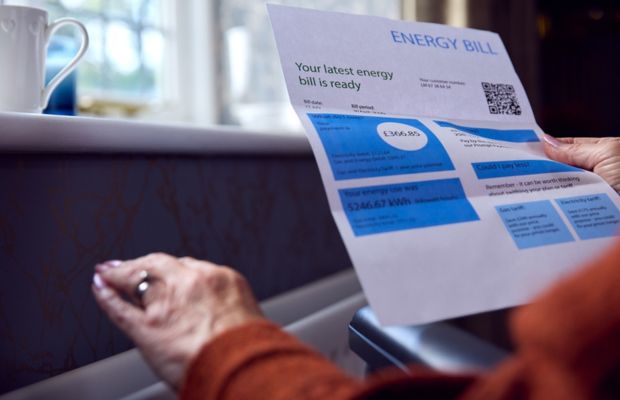
Energy bills are a part of everyday life, yet they remain one of the biggest household concerns. Whether you’re living in a home or managing one, understanding what’s considered a typical cost, and how to reduce it can help you make smarter choices.
Key takeaways
- A property’s energy performance significantly impacts costs – low EPC ratings often result in higher monthly bills.
- Improving rental property energy efficiency benefits everyone involved. It supports compliance, attracts residents, and creates more comfortable homes.
- Simple upgrades – like insulation or switching to LED bulbs can reduce bills over time.
- Understanding the energy price cap, your tariff, and your property’s energy performance gives you better control over your monthly costs.
Related: Exploring the benefits of eco – friendly rental homes
What is the average UK energy bill?
The average UK household currently pays around £143 per month for energy when using a standard dual-fuel tariff and paying by direct debit. That’s based on typical annual usage levels:
- 2,700 kWh of electricity
- 11,500 kWh of gas
This figure reflects the latest energy price cap, which limits how much energy suppliers can charge per unit for those on standard variable tariffs. It’s not a cap on your total bill, but rather a guide based on typical usage.
It’s worth noting that this isn’t a price limit – it’s a guide based on what’s typical. Your actual cost will vary depending on your usage habits, size and efficiency of your home, and the tariff you’re on. Less efficient homes or higher consumption will naturally lead to higher bills.
The figure also reflects the current energy price cap, which sets the maximum unit rate energy suppliers can charge for those on standard variable tariffs. While the cap helps prevent excessive pricing, it doesn’t guarantee low bills. Keeping an eye on the latest energy price cap helps you understand what’s fair and whether you’re getting good value from your current energy deal.
Related: Top energy saving tips for your home
Why energy bills remain high, or seem to be falling
Energy prices have been more stable lately, but many households still face higher-than-expected bills.
Several factors play a role:
- High standing charges: These are fixed daily fees that apply even when energy usage is low.
- Wholesale market volatility: International supply challenges and demand continue to influence pricing.
- Energy efficiency gaps: Homes with poor insulation or older heating systems often use more energy.
Although unit prices have dropped slightly, this can be offset by inefficiencies in the home or tariff structures that don’t suit the household’s needs.
What this means for homes in the rental sector
Energy costs and home efficiency go hand in hand, and that’s where the Energy Performance Certificate (EPC) comes in. This handy report gives every property a rating from A to G, showing just how energy-efficient it is. A-rated homes are the most efficient (and cheapest to run), while G-rated ones could be much more expensive when it comes to heating and electricity.
If you’re moving in or managing a property, it’s worth looking at the EPC first. A lower rating can mean higher monthly bills, so it’s always good to know what you’re working with.
Right now, properties must have at least an E rating to be legally let. While there were plans to raise this minimum to a C, those proposals have been put on hold. That said, making energy upgrades is still a smart move – more efficient homes are cheaper to run, comfortable to live in, and attract long-term tenants more easily.
Related: Electrical safety standards: A guide for landlords
Tips for lowering energy bills
Improving energy efficiency doesn’t always require big investments. Here are changes that can make a noticeable difference:
| Energy-saving action | Why it helps |
| Switch to LED lighting | Uses significantly less electricity and lasts longer |
| Install a smart thermostat | Improves control over heating schedules and avoids waste |
| Seal windows and doors | Prevents draughts and reduces unnecessary heat loss |
| Improve insulation | Keeps heat in and reduces the need for constant heating |
| Use A-rated appliances | Consumes less energy for everyday tasks |
Even small updates like adding draught excluders or using low-flow showerheads can contribute to monthly savings.
For those managing properties, investing in insulation or replacing outdated boilers can improve efficiency ratings and help meet evolving legal standards.
Support from letting agents
Staying on top of energy efficiency rules, EPC compliance, and rising bills can be a challenge. That’s where a knowledgeable letting agent can make a real difference.
Letting agents provide:
- Advice on improving EPC ratings and meeting compliance standards
- Recommendations for trusted tradespeople and energy assessors
- Guidance on reducing household energy costs and choosing smart upgrades
- Help understanding energy regulations and their impact on property performance
A well-informed approach to energy management supports both short-term savings and long-term value.
Energy bill glossary
Here’s a breakdown of common terms to help make sense of energy documents and bills:
Energy Performance Certificate (EPC): A document that shows how energy-efficient a property is, rated from A to G.
Standing charge: A daily fixed cost added to your energy bill, regardless of how much energy you use.
kWh (kilowatt-hour): The unit used to measure energy consumption.
Dual fuel: When you receive both gas and electricity from the same supplier.
Energy price cap: A limit on the amount of energy companies can charge per unit on standard tariffs, set by the energy regulator.
We’re here for you
For anyone reviewing a home’s energy efficiency or looking to make improvements, Martin & Co is here to help. From EPC advice to ongoing property support, our local experts can guide you in the right direction. Speak to your local Martin & Co branch today to learn more.
Source https://www.ofgem.gov.uk/