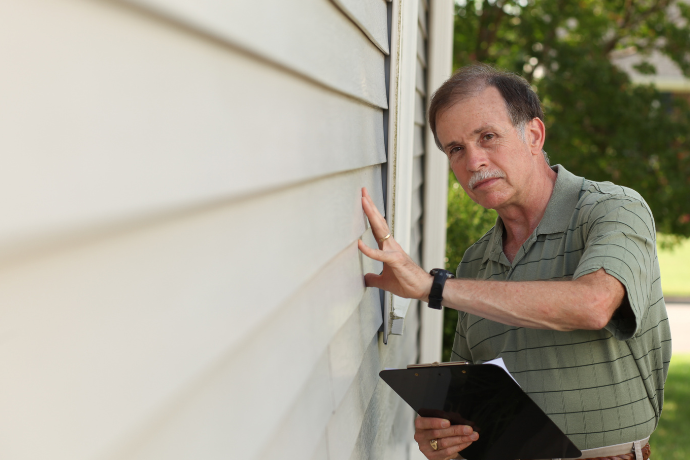
Being a landlord in Huddersfield comes with responsibility. From ensuring tenant safety to keeping your property in top condition, regular inspections are one of the most effective ways to protect your investment. Inspections aren’t just about checking walls and boilers, they’re about spotting problems early, maintaining tenant trust, and staying compliant.
This blog gives some pointers on how often you may want to inspect, what to check as a minimum, and how to carry out inspections in a professional and respectful way.
Why Property Inspections Matter
Routine inspections are essential for good property management. They allow landlords to spot minor maintenance issues before they become costly problems, ensuring that properties remain in good condition and continue to attract reliable tenants. Inspections also offer a chance to assess how the property is being used, confirming that it’s well cared for and occupied as agreed in the tenancy. Signs of unauthorised use, such as extra occupants, pets (if not included in the tenancy agreement) or smoking, can be addressed early, reducing the risk of breaches that could impact your insurance or legal standing.
Beyond the physical condition, inspections provide peace of mind by confirming that key safety regulations are being met, from working smoke alarms to unobstructed exits. A regular, respectful visit reinforces your role as a responsible landlord and encourages open communication, which can lead to better care of the property and longer tenancies. In short, inspections aren’t just about the bricks and mortar, they help safeguard your investment.
How Often Should You Inspect?
There’s no legal limit, but the general best practice is every three to six months. That’s often enough to keep tabs on the property without making tenants feel scrutinised.
For new tenancies, a first inspection after the first month is helpful to spot any early issues. If the tenant is long-standing and reliable, you might reduce frequency. If there have been past problems or high turnover, you may prefer more regular checks.
Checklist for Property Inspections
Here’s a checklist to help, covering everything from condition to compliance:
General Condition
- Check for Wear and Tear: Look for scuffed paint, worn flooring, chipped woodwork and loose fittings. These signs of everyday use help you plan for redecorating or refurbishment.
- Inspect Windows: Failed seals or damaged panes could affect insulation and security.
- Look for Mould, Damp or Poor Ventilation: These can indicate leaks, insulation problems or poor tenant habits. Spotting them early can help you fix the source rather than just the symptoms.
- Observe the Overall Cleanliness: While this isn’t about policing tidiness, extreme mess or uncleanliness could affect the property’s condition over time.
Health and Safety
- Test Alarms: Press the test button to check functionality. Alarms should be tested regularly to comply with regulations and keep tenants safe.
- Ensure Exits are Clear: If access is blocked, raise it with tenants and note it in your records. Blocked exits can cause problems, even fatalities in the event of a fire.
- Check Wires and Sockets: Electrical issues are a fire risk and must be resolved quickly.
- Confirm Heating and Ventilation Systems Work: Ask tenants if radiators heat properly, or if rooms feel stuffy or cold. Poor air circulation can contribute to mould.
Exterior Checks
- Inspect Rooflines, Gutters and Drains: Look for moss, debris or signs of water overflow, which could damage the structure or cause internal damp.
- Check Walls, Fences and Gates: Wind and rain damage can go unnoticed without regular review. Broken fences could also raise security concerns for the property.
- Review Garden Upkeep: Overgrown grass or dumped rubbish may indicate tenant neglect. Discuss expectations clearly if the garden is their responsibility.
Tenancy Compliance
- Check Occupancy: More people living in the property than listed on the agreement could pose safety and legal issues.
- Look for Signs of Smoking or Pets: Check for odours, fur, ash or stains that might suggest a breach of contract.
- Ensure the Property is Being Used Correctly: Large volumes of packaging, unusual equipment or high traffic may suggest unapproved commercial use.
Maintenance and Repairs
- Check Pipework: Drips, leaks, low pressure or flushing problems should be noted.
- Ask About Tenant-Reported Issues: Some tenants wait until inspections to raise problems. Encourage open discussion and take notes.
- Inspect Supplied Items: In furnished lets, check white goods, beds, sofas and fixtures for damage or wear.
- Plan Preventative Work: Spot cracks, ageing appliances or tired decor so you can schedule upgrades and budget accordingly.
Respecting Your Tenants
A courteous approach makes all the difference. Let tenants know in advance what to expect, offer flexible times, and reassure them about the purpose of your visit.
Inspections aren’t just a landlord task; they’re an opportunity for discussions. Some tenants use this time to share concerns or highlight things they’re unsure about. Building trust leads to better care of the property and fewer disputes.
Documenting Your Visit
- Take Detailed Notes: Use a standardised checklist and record the condition of each room and feature.
- Use Photographs: With tenant consent, photos provide useful visual records of damage or maintenance needs.
- Keep Records: Organised records help in case of future disputes, insurance claims, or when planning refurbishments.
- Share a Summary with Tenants: This encourages transparency between both parties and helps align expectations moving forward.
Inspections Protect Your Investment
A well-managed property holds its value and attracts good tenants. Inspections are one of the simplest ways to:
- Reduce Maintenance Costs: Addressing issues while they’re small prevents bigger repair bills later.
- Meet Legal Requirements: Safety, fire and health regulations must be upheld throughout a tenancy.
- Maintain Satisfaction: A property in good condition is easier to let, commands better rent and keeps tenants happy.
A Smarter Way to Manage Inspections
Many landlords underestimate how time-consuming property management can be. Between scheduling visits, handling repairs, and staying up to date with legislation, it can start to feel like a full-time job.
At Martin & Co Huddersfield, our fully managed landlord service covers regular inspections, detailed reports, compliance checks, and maintenance coordination. We take care of everything, while keeping you informed every step of the way.
Our local team knows what tenants expect, how to identify early signs of wear, and how to keep your property in the best condition possible. We also provide advice on legislation changes, tenancy renewals, and investment strategy.
Let our expert team take the weight off your shoulders. Get in touch today – we’re here to make property management feel like a breeze.