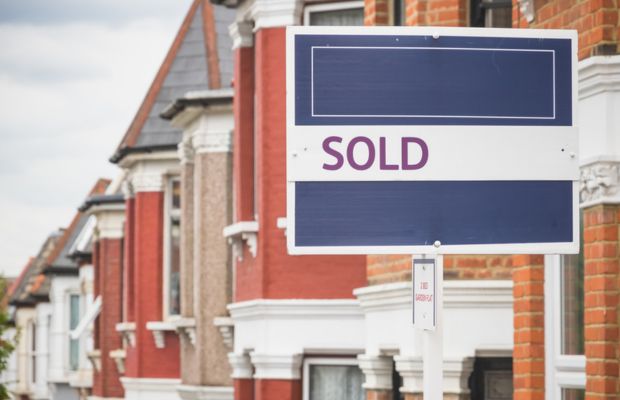
Your offer has been accepted. Now the formal process begins – and with it, important documentation that sets everything in motion. One of the first documents you’ll encounter is the memorandum of sale. It might sound formal, but it’s simply a tool designed to keep everyone on the same page as the legal work progresses.
Understanding what it is, when to expect it, and what happens next removes uncertainty from this stage of buying you
What is a memorandum of sale and when do you receive it?
A memorandum of sale is simply a written record confirming that an offer has been accepted. The estate agent prepares it once the seller agrees to your offer, and it gets sent to both sets of solicitors along with the buyer and seller. Think of it as the official acknowledgment that the deal is agreed and the legal process can now begin.
Typically, a memorandum of sale arrives within a few days of your offer being accepted – sometimes within 24 hours, sometimes within a week. The speed depends on how quickly the estate agent can gather the necessary information and ensure both parties have appointed solicitors. If either side hasn’t yet instructed a conveyancer, or if some details like solicitor contact information aren’t immediately available, it can take a bit longer. The document includes essentials like the property address, agreed price, buyer and seller details, both sets of solicitor information, and any specific conditions agreed during negotiations.
Why might a memorandum of sale be delayed?
When is a memorandum of sale issued can sometimes feel like it’s taking forever but delays usually have practical reasons. The most common is that one side hasn’t yet appointed a solicitor – the estate agent can’t issue the document without conveyancer details. Identity verification checks and anti-money laundering checks also take time. If you’ve arranged a mortgage, the estate agent may wait for mortgage in principle verification. Sometimes the seller hasn’t provided complete information about the property, or details need clarifying. Property chains also add complexity – if either party is buying or selling elsewhere, coordinating all the memorandums of sale takes longer.
The key thing to remember: delays at this stage are usually fixable. Stay in contact with your solicitor and estate agent. Respond quickly to any requests for information. The faster you provide details like ID documents and proof of funds, the faster the process moves forward.
Related: A buyer’s guide: What happens on completion day?
Does receiving a memorandum of sale secure your property legally?
Here’s something important to understand: a memorandum of sale is not legally binding. This surprises many buyers, but it’s crucial to know. Receiving the memorandum means the sale is “agreed” but not “secured” in legal terms. Either you or the seller can still withdraw from the purchase without legal penalty as long as contracts haven’t been exchanged.
This is why solicitors always advise making offers “subject to contract” and “subject to survey.” These conditions protect you if survey results reveal problems, or if your mortgage offer falls through. The legally binding moment comes much later, when both parties sign and exchange contracts. That’s the point when neither side can pull out without serious legal and financial consequences.
The memorandum does mark your property as “Sold Subject to Contract” (SSTC), which removes it from the market. But this is administrative rather than legal protection. Until exchange of contracts happens, you’re in a vulnerable position if something changes.
Related: What is a flying freehold: a complete guide for buyers and sellers
What should you do while waiting for the memorandum?
First, get your solicitor instructions sorted immediately. Once appointed, your conveyancer can access the memorandum and begin their work right away. When the memorandum arrives, check it carefully for accuracy – verify the property address, agreed price, your details, and the seller’s details. Small errors like a wrong email address or slightly different name spelling can cause delays later, so flag anything incorrect with your estate agent immediately.
Start arranging your mortgage in principle if you haven’t already. Book a survey – this is separate from any mortgage valuation and gives you independent assessment of the property’s condition. Gather your ID documents and proof of funds for your solicitor. Respond promptly to any requests for information. The faster you move through these early stages, the faster you progress toward exchange of contracts.
What happens after the memorandum is issued?
Once issued, conveyancing begins in earnest. Your solicitor handles searches (essential for mortgage lenders), arranges for property information forms from the seller’s solicitor, and works on contract preparation. The seller’s solicitor sends legal documents and property information. If you’re in a chain, everyone’s memorandums feed into coordinating multiple sales and purchases.
From memorandum to exchange of contracts typically takes 12 to 16 weeks for a freehold property with a mortgage in a straightforward chain. Without a chain, it’s faster. This isn’t fixed though – delays with surveys, mortgage offers, or responses to enquiries can extend the timeline.
Understanding the memorandum of sale removes much of the mystery from this stage of purchasing. It’s not legally binding, but it represents a genuine commitment from both parties and establishes the framework for the legal work ahead. Stay organised, respond promptly to your solicitor’s requests, and keep communication open with everyone involved.
We have guided countless buyers through this process and understand exactly what you’re navigating. Get in touch with your local Martin & Co branch – we’re here to make each stage clear and straightforward.