Home improvements are exciting, but they’re also a significant investment. Whether you’re renovating your property for your own enjoyment or thinking about selling in the next few years, it’s natural to wonder which improvements are actually worth the money.
The reality is that not every renovation increases a property’s value.
We’ve seen homeowners invest heavily in bespoke kitchens, luxury bathrooms and major structural alterations, only to discover they haven’t achieved the return they expected. Equally, we’ve seen relatively modest improvements make a home far more appealing to buyers and help it achieve a stronger sale price.
At Martin & Co Bournemouth, we spend every day speaking to buyers, conducting viewings and negotiating sales across the local market. That gives us a unique perspective on what people are genuinely prepared to pay for and where homeowners can often spend more than they need to.
If you’re planning improvements, the aim shouldn’t simply be to spend money. It should be to invest in the features that make your property more attractive to future buyers while enhancing your enjoyment of the home in the meantime.
Before You Begin: Think About Your Long-Term Plans
Before deciding where to invest your budget, take a step back and think about your long-term plans for the property.
Are you hoping to move within the next couple of years? Planning to stay for another five or ten? Or is this the home you intend to enjoy for the foreseeable future?
The answer matters.
If you’re likely to sell in the near future, your priority should usually be improvements that appeal to the broadest range of buyers and offer the strongest potential return.
On the other hand, if you’re creating your long-term family home, it may be worth investing in features that improve your lifestyle, even if they don’t necessarily add pound-for-pound value when you eventually come to sell.
There’s no right or wrong approach. The key is making informed decisions based on your own plans.
Throughout this guide, we’ll focus on the improvements that are most likely to enhance your property’s market appeal, while recognising that the best investment isn’t always measured purely by resale value.

What Makes Buyers Pay More?
Many homeowners assume buyers simply pay more for properties that have been recently renovated.
In reality, buyers are paying for something much more specific.
The homes that attract the strongest offers are usually those that provide:
- More practical living space.
- A layout that suits modern lifestyles.
- Lower running costs.
- Less work to do after moving in.
- Attractive outside space.
- A home that feels well cared for from the moment they walk through the door.
Expensive finishes alone rarely increase value if they don’t improve the way a property functions.
With that in mind, here are the improvements we most often see making a genuine difference.
1. First Impressions Still Count
Before a viewer has even stepped inside, they’ve already begun forming an opinion.
That’s why kerb appeal continues to offer one of the strongest returns for relatively little investment.
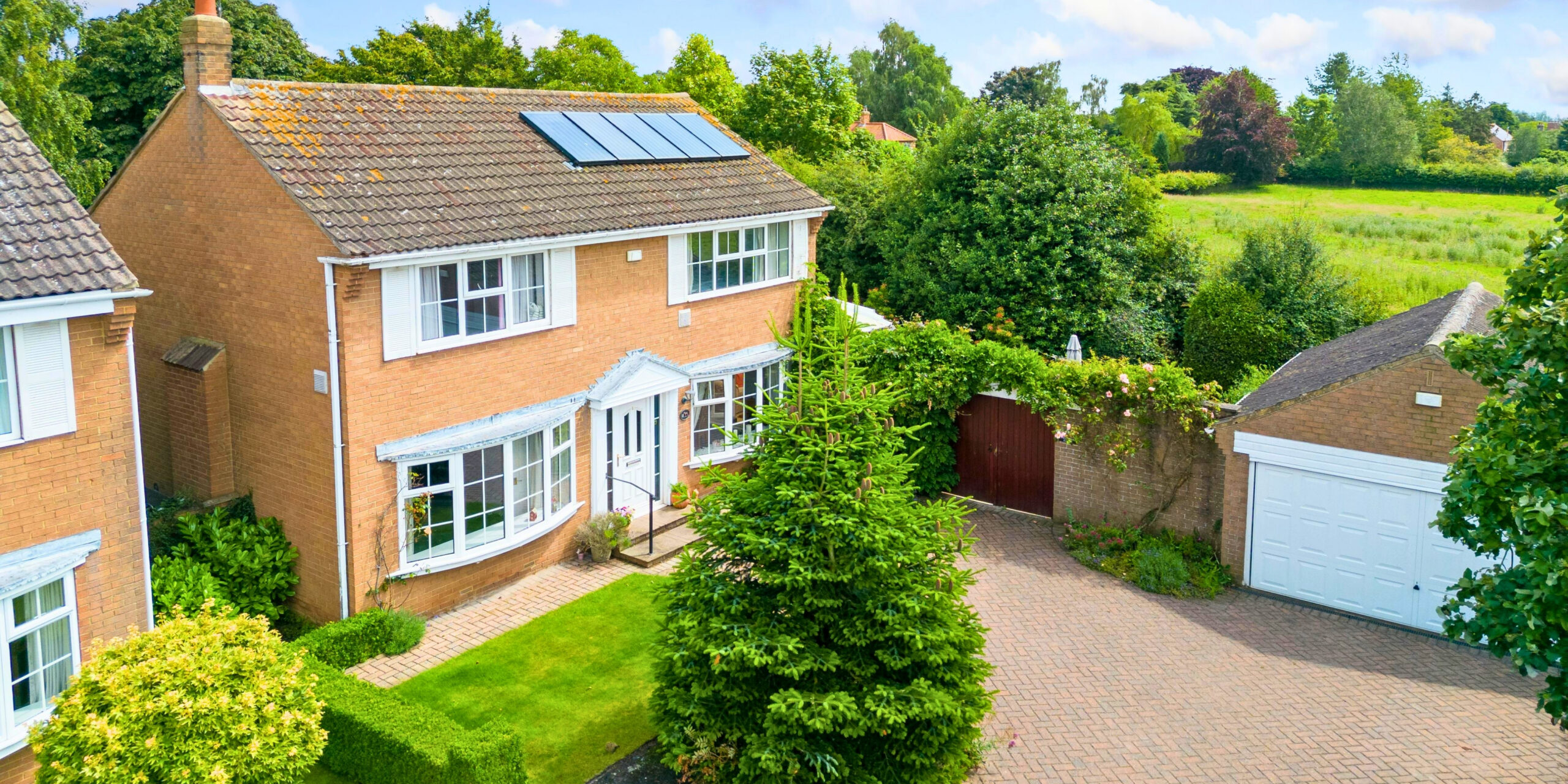
Simple improvements such as repainting the front door, cleaning the driveway, maintaining front gardens, replacing worn house numbers and ensuring windows are spotless can instantly make a property feel more welcoming.
Parking is another factor that shouldn’t be overlooked. In many parts of Bournemouth, convenient parking is highly desirable, so presenting driveways or allocated spaces well can help reinforce a positive first impression.
These aren’t expensive projects, but they immediately create confidence that the property has been well maintained.
2. Modernise Rather Than Start Again
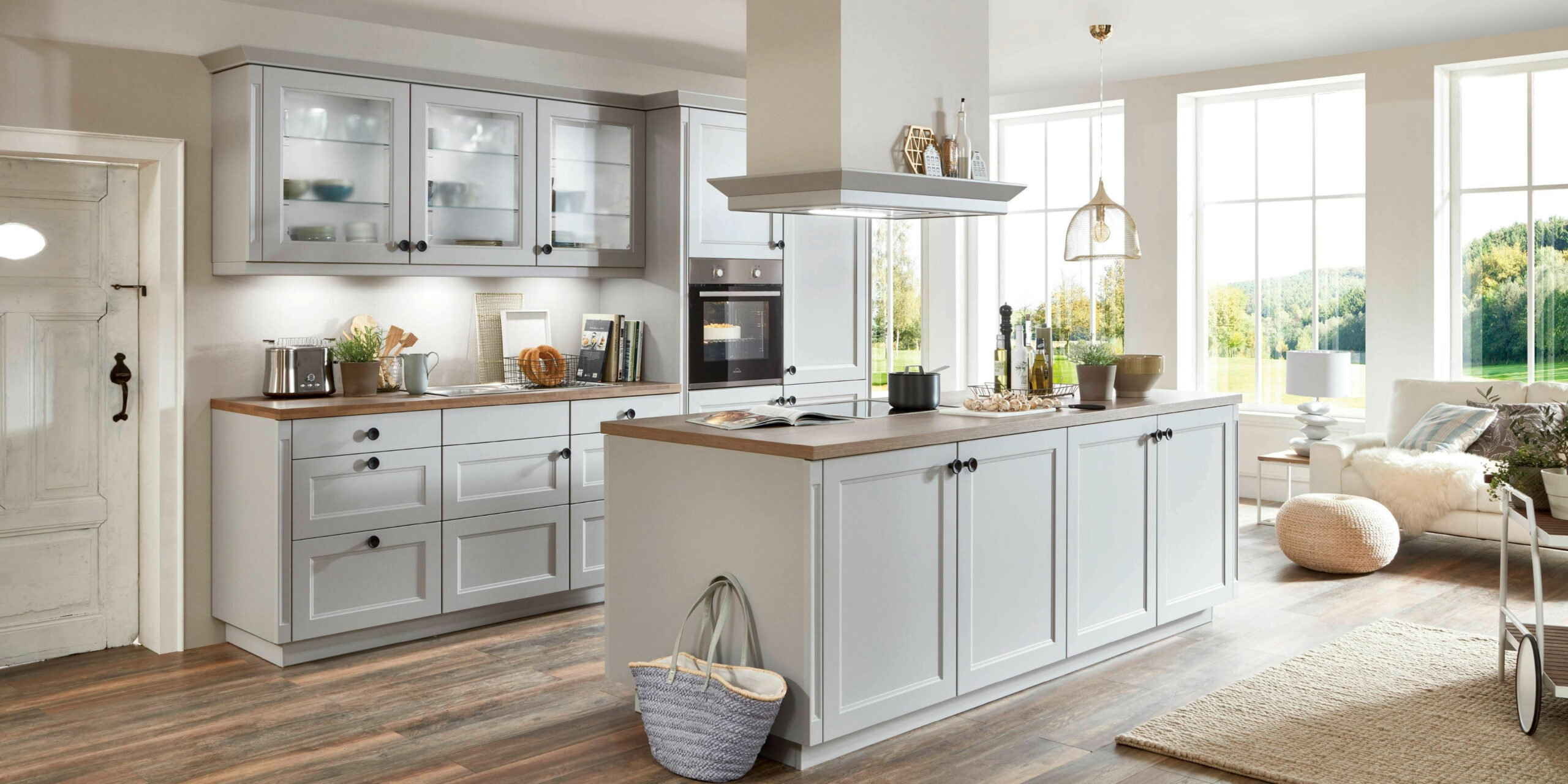
One of the most common misconceptions is that kitchens and bathrooms need replacing to impress buyers.
Often, that’s simply not the case.
Unless they’re badly worn or significantly outdated, a thoughtful refresh can achieve a similar result for considerably less money.
You might consider:
- Replacing cupboard doors or handles.
- Installing new worktops.
- Updating taps and sinks.
- Improving lighting.
- Refreshing splashbacks.
- Repainting walls and replacing tired flooring.
Bathrooms can also benefit from relatively inexpensive improvements, including new mirrors, shower screens, modern fittings and fresh silicone or grout.
The objective isn’t necessarily to create a luxury finish, it’s to present spaces that feel clean, contemporary and ready to use.
3. Make Better Use of the Space You Already Have
Additional square footage can certainly add value, but it’s not always essential.
In many cases, improving the way your existing accommodation is arranged can have just as much impact.
Open-plan kitchen diners, practical utility rooms and dedicated home offices remain popular because they reflect the way many families now live and work.
If you’re considering removing a bedroom, converting a garage or making major structural changes, think carefully about how those alterations will affect future buyers.
The best improvements are those that make the property more versatile without taking away features buyers expect.
A flexible, well-planned home will often outperform one that’s simply larger.
4. Energy Efficiency Matters More Than Ever
Energy performance has become a much bigger consideration for buyers over recent years.
Properties that are cheaper to heat and maintain are increasingly attractive, particularly as households continue to focus on reducing monthly running costs.
Depending on your property, worthwhile improvements could include:
- Additional loft insulation.
- A modern, energy-efficient boiler.
- Smart heating controls.
- Double glazing where appropriate.
- LED lighting.
- Draught-proofing.
Not only can these improvements make your home more appealing to buyers, but they can also improve comfort and reduce energy bills while you’re still living there.
5. Think Beyond the Four Walls
Outside space has become an important extension of the home.
Rather than simply keeping the garden tidy, think about how buyers might use it.
A seating area, attractive planting, subtle lighting or a well-designed patio can help people imagine relaxing or entertaining outdoors.
This is particularly valuable in Bournemouth, where proximity to the coast and an outdoor lifestyle often influence buying decisions.
Homes in areas such as Southbourne, Westbourne and Talbot Woods frequently attract buyers who place genuine value on well-presented gardens and usable outside space.
Creating an inviting outdoor environment doesn’t always require a substantial investment, but it can significantly enhance the overall impression your property leaves.

6. Don’t Underestimate the Value of Good Presentation
You don’t always need to renovate a property to make it worth more.
Sometimes, the most effective improvements are simply about making the home look its best.
Fresh, neutral decoration can make rooms feel brighter and more spacious, while replacing worn carpets, repairing damaged plaster and updating tired flooring can remove some of the objections buyers might otherwise have.
This is particularly important if you’re planning to sell relatively soon.
A buyer may be able to see past dated décor, but they will still factor the cost and inconvenience of putting things right into their offer.
A property that feels clean, cared for and ready to move into can therefore have a significant advantage over one that requires a long list of jobs.
7. Consider Whether Additional Accommodation Really Adds Value
Creating an extra bedroom, bathroom or useful living area can make a substantial difference to a property’s appeal.
But it’s important to look beyond the cost of the work.
A loft conversion, extension or garage conversion can be worthwhile where it creates accommodation that buyers genuinely want. However, the value it adds will depend on the property, the location and what similar homes nearby are achieving.
There’s a danger of improving a property beyond what the local market can support.
For example, spending £75,000 creating an exceptionally high-spec extension doesn’t necessarily mean you’ll add £75,000 to the eventual sale price.
Before committing to major building work, look at the bigger picture.
What will the finished property be worth, and does the likely increase justify the investment?
If you’re unsure, this is where speaking to a local estate agent before approaching a builder can be particularly useful.
8. Don’t Sacrifice Features Buyers Already Value
Adding value isn’t always about adding something new. Sometimes it’s about protecting what you already have.
A common example is removing a bedroom to create a larger dressing room, home office or luxury bathroom. It may make perfect sense for your lifestyle, but turning a four-bedroom property into a three-bedroom home could narrow your potential buyer market.
The same applies to garages and parking.
A garage conversion can create fantastic additional living space, but if local buyers value secure storage or parking, removing it may not be the best financial decision.
Before making a permanent change, think about how the property will look to someone who has never lived there.
Would the change make it more desirable to a buyer, or simply more suitable for you?
If you’re planning to stay for many years, the latter may still be perfectly worthwhile. But it’s important to understand the difference.
9. Avoid Overcapitalising
Perhaps the biggest mistake homeowners can make is assuming that spending more will automatically result in a more valuable property.
It doesn’t.
Every property sits within a particular market, and there will usually be a ceiling to what buyers are prepared to pay for a particular type of home in a particular location.
You could install the most expensive kitchen available, create a luxury cinema room or spend heavily on bespoke finishes, but if buyers in the area aren’t prepared to pay a premium for those features, you may never recover the cost.
This doesn’t mean you shouldn’t make improvements you genuinely want.
If you’re staying for ten years and a new kitchen will make you love your home more, that’s a perfectly valid reason to invest.
But if you’re renovating primarily to sell, the calculation is different.
The question isn’t “Can I afford to do this?” It’s “Will the market reward me for doing it?”

10. Get Advice Before You Commit to Major Work
If you’re considering spending £20,000, £50,000 or more on your property, one of the simplest things you can do is ask someone who understands the local market before you begin.
An architect can tell you what’s possible.
A builder can tell you what it will cost.
But an experienced estate agent can help you understand whether buyers are likely to pay more for the finished result.
At Martin & Co Bournemouth, we regularly speak to homeowners who are considering extensions, loft conversions, garage conversions and other significant improvements.
Sometimes we’ll recommend going ahead.
Sometimes we’ll suggest a simpler alternative.
And occasionally, we’ll advise that the money would be better spent elsewhere.
That’s because our focus isn’t on the work itself, it’s on how the finished property is likely to perform when it eventually comes to market.
Before You Spend Money, Consider What Your Property Actually Needs
The most valuable improvement may sometimes be the one you decide not to make.
There’s a temptation to assume that adding value means continually upgrading your home, but not every property needs a new kitchen, expensive landscaping or additional accommodation. If your kitchen is already attractive and functional, replacing it may add little to its market value. If your garden is already well presented, a major landscaping project may not be necessary. And if your property has the right number of bedrooms for its market, sacrificing one to create a larger dressing room, office or luxury bathroom could actually reduce its appeal to future buyers.
The right decision will depend on your property, your budget, the local market and, importantly, your plans for the future. If you’re planning to stay for many years, an improvement that makes your home more comfortable or better suited to your lifestyle may be worthwhile even if you don’t recover the full cost when you eventually sell. If you’re considering moving within the next few years, however, it makes more sense to focus on improvements that enhance presentation, practicality and appeal to the widest range of buyers.
There’s no universal list of improvements that will add a fixed amount to every property. What makes sense for a detached family home in Talbot Woods may be very different from what’s appropriate for a townhouse in Westbourne or a property closer to Bournemouth’s seafront.
Ultimately, adding value isn’t about undertaking the biggest renovation or spending the most money. It’s about understanding what will make your particular property more desirable and whether the likely increase in value justifies the investment.
Before committing to significant work, it can therefore be worthwhile finding out what your property is worth in its current condition and discussing your plans with someone who understands the local market.
At Martin & Co Bournemouth, we regularly advise homeowners on improvements, renovations and future plans. Whether you’re thinking about selling soon or simply want to understand how your property currently sits within the Bournemouth market, our local team can provide an honest, no-obligation view of where your money is most likely to make a difference.

Frequently Asked Questions
What is the best way to add value to a house?
There isn’t one improvement that works for every property. Generally, improvements that increase usable space, improve presentation, reduce running costs or make a home more practical tend to have the broadest appeal. The right choice will depend on the property and the local market.
Is it worth renovating before selling?
Sometimes, but not always. Cosmetic improvements and essential maintenance can often be worthwhile, while major renovations may not provide enough additional value to justify their cost. It’s sensible to understand your property’s current value and likely sale price before committing to significant work.
Does a new kitchen increase house value?
It can, particularly if the existing kitchen is dated or poorly laid out. However, a full replacement isn’t always necessary. In some cases, refreshing the existing kitchen can improve its appearance without the cost of starting again.
Does an extension always add value?
No. An extension can make a property more attractive and potentially increase its value, but the return depends on the quality of the work, the resulting layout, the property’s location and the ceiling price for comparable homes.
Can removing a bedroom reduce property value?
It can. If buyers in your area strongly value a particular bedroom count, converting a bedroom into another type of space could reduce the property’s appeal. It’s worth considering both your own requirements and future resale prospects before making the change.
Should I improve my home if I’m planning to stay?
Absolutely—if the improvement makes sense for you. If you’re planning to stay for many years, your enjoyment of the property should be an important part of the decision. You don’t have to make every choice based purely on future resale value.
How do I know if I’m overcapitalising?
Compare the likely cost of the work with the potential value of the finished property and look at what similar homes in the area are selling for. A local estate agent can provide a useful second opinion before you commit to a major project.
Can Martin & Co Bournemouth advise on home improvements?
Yes. If you’re considering selling or simply want to understand how your property currently sits in the market, our local team can provide an appraisal and discuss improvements that may enhance its appeal and potential value.
Thinking About Improving or Selling Your Bournemouth Home?
If you’re considering a major renovation, it’s worth understanding what your property could be worth before you start spending.
At Martin & Co Bournemouth, our local knowledge allows us to look at your property from a buyer’s perspective and give you straightforward advice on where your money is most likely to make a difference.
Whether you’re planning to sell soon, thinking about moving in a few years or simply want to understand your property’s current position in the market, we’re happy to help.
Contact our Bournemouth team today to arrange a free, no-obligation property valuation and discuss your plans.