Some neighbourhoods are easy to sum up by their location, but Old Moulsham needs a little more explanation. Sitting immediately south of Chelmsford city centre, this established neighbourhood combines period residential streets with independent shops, cafés and restaurants around Moulsham Street. Victorian and Edwardian homes are an important part of its character, while Chelmsford’s main shopping areas and railway station remain within easy reach.
That combination can put Old Moulsham on the list for very different property hunters. First-time buyers may consider flats or smaller terraces. Professionals can value the proximity to the city centre and station. Families may look for larger period homes, while investors can explore demand from people who want a central Chelmsford location without necessarily living in a modern apartment development.
Character does come with practical considerations, though. Older homes can require different checks from newer properties, and prices vary considerably according to the type, condition and exact location of a home. Here is what buyers and property investors need to know about living in Old Moulsham.
Old Moulsham sits directly south of Chelmsford city centre and forms part of the wider CM2 area. It is useful to distinguish Old Moulsham from Moulsham more generally. The wider area extends further south towards Moulsham Lodge, while Old Moulsham is the more central part and is particularly associated with Victorian and Edwardian housing and Moulsham Street.
That location is one of its defining features. Residents can live on an established residential street while remaining close to the shops, restaurants, workplaces and entertainment of central Chelmsford. Moulsham Street itself runs southwest from the River Can, while the Old Moulsham residential district extends to its south and east. Chelmsford City Council describes Old Moulsham as one of the more characterful residential neighbourhoods in the borough.
For buyers, however, the exact street matters. A property close to the city centre can provide a different experience from one further into the residential neighbourhood, even though both may appear under the same Old Moulsham search on a property portal.
Old Moulsham’s main appeal comes from its combination of character and convenience. The neighbourhood doesn’t feel like a modern development where homes and amenities have arrived at roughly the same time. Its buildings, streets and businesses have developed over different periods, giving the area a more established appearance.
Moulsham Street plays an important part in that. Chelmsford City Council’s conservation area appraisal describes the street as having an eclectic mix of specialist shops, restaurants, pubs, offices, homes and community uses, while the city centre provides a much wider selection within easy reach. It means someone living locally can have everyday amenities close at hand without giving up a residential setting.
That won’t be everyone’s priority. Buyers who prefer a recently built home with a modern specification may be more interested in newer parts of Chelmsford. But for someone who wants an older property within easy reach of the centre, Old Moulsham offers a very different proposition.
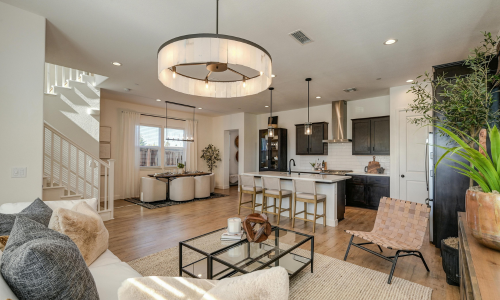
Property is a major part of Old Moulsham’s identity. Victorian and Edwardian terraces feature heavily, particularly two- and three-bedroom homes. There are also flats and converted properties, semi-detached houses and some much larger period homes. Current listings demonstrate how varied the market can be, with recent properties advertised for sale including two-bedroom period townhouses as well as substantial Edwardian houses.
Period homes can bring features that are harder to find in newer developments. Depending on the property, buyers might find bay windows, fireplaces, traditional brickwork, higher ceilings and layouts that reflect the way homes were built at the time.
Many have also changed considerably over the decades. Walls may have moved, kitchens may have been extended and lofts may have been converted. Windows, heating and electrical systems may have been replaced at different times. That’s why two terraces that look similar from the pavement can be very different once the front door opens.
Age alone isn’t a reason to avoid a property, but it is a reason to understand what is being bought. An appropriate survey can help identify the condition of the building and any issues requiring further investigation. Depending on the property, buyers may want particular clarity around the roof, signs of damp, ventilation, windows, heating and electrical systems, chimneys and previous alterations.
Energy efficiency deserves attention too. Some period homes have been extensively improved, while others retain older windows, heating systems or insulation. The Energy Performance Certificate can provide a useful starting point, but buyers should also consider what improvements may be practical for that particular building. Previous extensions and loft conversions need checking as part of the legal process, so buyers should establish what work has been completed and whether relevant permissions or approvals were required.
Then there are the everyday details. Is there somewhere to park? How much outside space is there? Is rear access shared? Where are the boundaries? Does the layout actually work for the buyer’s needs? These questions may sound less exciting than choosing paint colours, but they are far more useful before exchanging contracts.
Old Moulsham’s varied property stock means one average price only tells part of the story. Rightmove currently reports that properties in Old Moulsham sold for an overall average of £373,627 over the previous year. Most recorded sales were terraced homes, which achieved an average of £401,524. Its current breakdown is:
Rightmove reports that overall sold prices were 6% below the previous year and 4% below the 2021 peak of £388,307. The underlying HM Land Registry data was updated on 17 September 2026 and covers registered transactions up to 31 July 2026.
There is an interesting point hidden inside those figures. The average terraced property sold for more than the overall Old Moulsham average, which is a useful reminder that an area-wide figure is affected by the mixture of homes sold, including lower-priced flats. For a buyer considering a Victorian terrace, the price of comparable terraces nearby is therefore more useful than comparing the asking price only with the £373,627 overall figure.
The same applies to sellers. An extended three-bedroom period house with a good garden isn’t necessarily comparable with a smaller two-bedroom terrace simply because both properties are in Old Moulsham.
The wider Chelmsford market provides useful context. According to the Office for National Statistics, the provisional average Chelmsford house price was £378,000 in July 2026, 2.3% lower than the revised July 2025 figure. Average prices by property type were:
First-time buyers paid an average of £298,000 across Chelmsford in July 2026, while home movers paid £473,000. These figures shouldn’t be treated as direct comparisons with Rightmove’s Old Moulsham data, as the datasets cover different geographical areas and use different methodologies and time periods. They do, however, give buyers a useful picture of the wider market.
The ONS also warns that local house price data can be more variable because fewer transactions are involved, and recommends considering trends over a year or longer rather than putting too much weight on short-term movements. Ultimately, a buyer needs comparable evidence for the type of home they are considering.
Old Moulsham has several characteristics that property investors may want to investigate. It is close to central Chelmsford and the railway station, has a mix of flats and houses and can appeal to professionals, couples and families depending on the property. But location alone doesn’t make an investment work. The purchase price needs to be considered alongside realistic rent, ongoing maintenance, financing where applicable, insurance, management costs and periods when the property may be empty.
Chelmsford’s wider rental market provides a useful starting point. ONS data puts the average private rent across Chelmsford at £1,439 per month in August 2026, 2.4% higher than the £1,406 recorded a year earlier. By bedroom count, average rents were:
Average rents by property type were £1,210 for flats and maisonettes, £1,370 for terraces, £1,521 for semi-detached properties and £1,993 for detached homes. These are Chelmsford-wide averages rather than suggested rents for an individual Old Moulsham property. An investor considering a purchase should obtain a realistic rental appraisal for that specific home before using rent to calculate an expected yield.
Period property requires investors to think beyond the purchase price, and maintenance can be particularly important. A character terrace may look attractive and have a strong location, but investors still need to understand the condition of its roof, windows, heating, electrics and other major components. Energy efficiency should form part of that assessment too. For flats and converted period buildings, there can be another layer of questions around tenure, lease length, service charges and management arrangements.
The likely tenant should also influence the choice of property. A professional looking for a one-bedroom flat close to the city centre may have different priorities from a family considering a three-bedroom house, so parking, outside space, storage, bedroom sizes and proximity to transport can have different levels of importance. Investors should start with the tenant they hope to attract, then ask whether the property genuinely meets that person’s likely needs.
One of Old Moulsham’s practical advantages is that residents don’t necessarily have to rely on a car for every journey. The city centre and Chelmsford railway station are accessible from the neighbourhood, although walking times naturally depend on the exact street. Chelmsford also has frequent rail services to London, with Greater Anglia currently running up to five trains an hour between Chelmsford and London Liverpool Street on weekdays.
For buyers who commute, the best test is a simple one: try the journey. Walk from a potential home to the station at roughly the time the normal commute would begin. The difference between a route that looks convenient on a map and one that feels convenient at 7am can be surprisingly important.
Drivers can also access Chelmsford’s wider road network, including routes towards the A12. For some households, however, Old Moulsham’s ability to put shops, the city centre and transport within relatively easy reach may reduce the need to use the car for shorter everyday journeys.
A neighbourhood needs more than attractive houses. Moulsham Street helps give Old Moulsham a recognisable centre, with independent businesses sitting alongside everyday services and places to eat and drink. Its character is also protected in part by its history, as Chelmsford has a designated Moulsham Street Conservation Area covering a 500-metre stretch of the street between Parkway and the Cricketers pub.
Beyond Moulsham Street, residents have the wider centre of Chelmsford nearby, giving access to larger shops, restaurants, entertainment and other services. That can be particularly useful for buyers who like the idea of living close to a city centre but don’t necessarily want to live in a central apartment. Old Moulsham offers a different compromise: residential streets, character housing and city amenities within the same part of Chelmsford.
A relatively central address doesn’t mean outdoor space disappears. Residents have access to parks and riverside routes around Chelmsford, while Oaklands Park sits at the southern end of Moulsham Street and is home to Chelmsford Museum.
For buyers, local green space is worth thinking about in practical terms. Someone with young children might prioritise easy access to a park. A dog owner may be more interested in walking routes, and a runner or cyclist may value links into Chelmsford’s wider path network. Others may decide that a good private garden matters more, and those priorities can help narrow a property search within Old Moulsham itself.
Character can come with additional planning considerations. Chelmsford City Council has designated conservation areas to protect places of special architectural or historic interest, including the Moulsham Street Conservation Area and the neighbouring New London Road Conservation Area. Not every Old Moulsham property is within a conservation area, so buyers should check the exact address.
Where a property is included, owners may need to consider additional requirements before carrying out certain work to a building or tree, and Chelmsford City Council advises residents to check what permissions are required first. This is particularly relevant to someone buying a period home with plans to alter or extend it. Before assuming a loft conversion, extension or external change will be possible, check the property’s planning history, conservation status and current requirements.
There is no single Old Moulsham buyer. First-time buyers may investigate flats and smaller period homes, depending on their budget. Professionals and commuters may value the ability to reach the city centre and station without living further out, while couples may be attracted to period terraces and the restaurants, cafés and services around Moulsham Street.
Families can explore larger houses while considering schools, outside space and parking. Downsizers may value having city amenities close at hand, particularly if reducing reliance on a car is part of the move. Investors can assess demand from several of these groups, but the property needs to match the intended tenant rather than relying on the area’s name alone.
Buyers looking across Chelmsford may find Old Moulsham and Beaulieu appearing on the same shortlist, but they offer very different styles of living. Old Moulsham is about established streets, period architecture and proximity to central Chelmsford. Beaulieu is a newer planned community, characterised by modern homes, purpose-built amenities and access to the recently opened Beaulieu Park railway station.
The practical considerations differ too. A period Old Moulsham home may require more investigation of its age, condition and previous alterations. A newer property in Beaulieu may instead prompt questions about estate charges, service charges, warranties and development management.
Neither approach is automatically better. The useful question is whether the buyer wants the character and central location associated with Old Moulsham or the newer housing and planned environment found in Beaulieu.
Springfield provides another useful comparison. Both are established parts of Chelmsford, but their feel and housing mix differ. Old Moulsham is closer to the city centre and is particularly associated with Victorian and Edwardian terraces. Springfield has a more suburban residential character and includes a wider mix of housing types across different periods.
A buyer who prioritises walking into central Chelmsford might lean towards investigating Old Moulsham, while someone seeking a larger suburban family home may find more options worth exploring around Springfield. The right choice depends on budget, property requirements and daily routine.
Once a buyer finds a property they like, the details matter. Look at recent sales of genuinely comparable properties rather than relying solely on the area’s average price, and arrange an appropriate survey to understand the condition of an older building before committing to it.
Check the tenure and any lease or service charges where relevant. Review the property’s Energy Performance Certificate and investigate previous extensions or alterations through the conveyancing process. Parking can be particularly important in established urban neighbourhoods, so understand what is actually available rather than assuming the space outside the house belongs to the property.
Buyers planning building work should check planning history and whether the property is within a conservation area. Families should verify current school admissions arrangements, while commuters should test the journey to the station. It is quite a list, but buying a home is a substantial commitment, and good questions before purchase are considerably easier to deal with than surprises afterwards.
Old Moulsham offers something distinctive within Chelmsford. Its period streets give buyers character, while Moulsham Street and the nearby city centre provide everyday convenience. Chelmsford railway station also makes the area relevant to people who need regular connections towards London.
The property market itself is varied. Flats can provide one entry point, while period terraces form a significant part of the housing stock and larger homes occupy a different price bracket again. That variety is why looking at actual properties matters more than relying on a single Old Moulsham average.
Buyers can explore homes currently for sale with Martin & Co Chelmsford. For help with a Chelmsford property search and information about homes available in Old Moulsham, contact the local team.
If you’re thinking about selling an Old Moulsham property, headline house-price figures can provide useful context, but they cannot value an individual home. That is particularly true in an area with older housing. Two period terraces on neighbouring streets may differ in condition, floor area, extensions, garden size, parking, original features and the quality of previous improvements, and all of those details can influence how buyers respond when the property comes to market.
A local valuation with Martin & Co can consider the home itself alongside recent comparable sales and current buyer activity.
Old Moulsham’s appeal isn’t based on one feature. It comes from the combination of period property, an established neighbourhood, local amenities and easy access to central Chelmsford. For buyers, that makes it a place worth exploring street by street rather than simply postcode by postcode. For investors, it means looking beyond the area’s reputation and making sure the individual property works financially. And for homeowners considering a sale, it means recognising that the details that make one Old Moulsham home different from another can matter just as much as the location itself.
Local roots. Family values. Proud to be local and to put family values at the heart of everything we do.