If you’re thinking about improving your home, you’ve probably asked yourself one simple question:
“Will I get my money back when I sell?”
It’s an important question, and one that’s often answered badly.
Search online and you’ll find endless lists telling you to fit a new kitchen, convert your loft or build an extension. While those improvements can add value, there’s no guarantee they will. In some cases, homeowners spend tens of thousands of pounds only to discover they’ve added very little to the property’s market value.
At Martin & Co Poole, we view homes through a different lens.
Every week, we see what buyers are prepared to pay more for, what they’re willing to compromise on and, just as importantly, the improvements that fail to deliver a worthwhile return.
The truth is that adding value isn’t about spending the most money, it’s about spending it in the right places.
Here’s where we believe your investment is most likely to pay off.
Before You Start: Think About Your Long-Term Plans
Before deciding where to invest your money, take a moment to think about your long-term plans for the property.
Are you preparing to sell within the next year or two? Planning to move in five years’ time? Or is this your forever home?
The answer should influence the improvements you choose to make.
If you’re planning to sell in the near future, it’s usually best to focus on projects that appeal to the widest range of buyers and are most likely to deliver a strong return on investment.
However, if you expect to stay in your home for many years, your priorities may be very different. Creating your dream kitchen, adding a garden office or investing in high-end finishes could significantly improve your quality of life, even if those improvements don’t fully increase your property’s value.
There’s no right or wrong approach, it simply comes down to your goals.
Throughout this guide, we’ll focus on the improvements that are most likely to enhance your property’s market value, while recognising that the best investment for you may not always be the one that delivers the highest resale return.

First, Understand What Buyers Actually Pay More For
Before deciding where to spend your money, it’s worth understanding what drives property values.
In our experience, buyers are usually prepared to pay more for homes that offer one or more of the following:
- More usable living space
- Less work to do after moving in
- Lower running costs
- Better functionality for modern living
- An attractive lifestyle
Notice what’s missing from that list.
Buyers don’t necessarily pay more simply because something is expensive.
A £40,000 kitchen doesn’t automatically increase your home’s value by £40,000. Equally, an expensive extension may not deliver the return you expect if neighbouring properties have already established the ceiling price for the area.
Every improvement should ultimately answer one question:
Will this make more buyers want my property, or encourage them to pay more for it?
1. Improve Your First Impression
You never get a second chance to make a first impression.
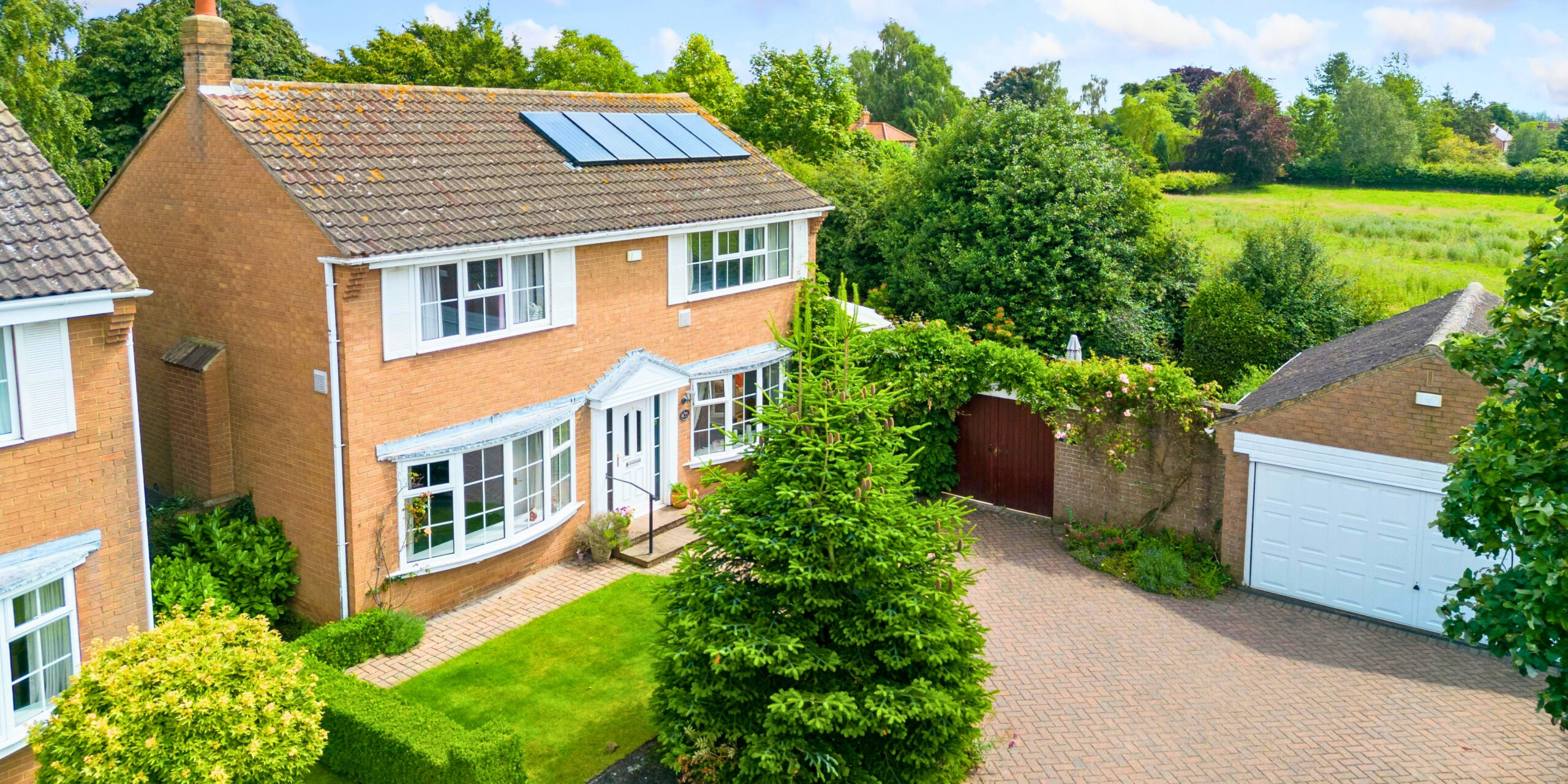
Long before buyers see your kitchen or living room, they’ve already formed opinions based on what they see from the street.
Fortunately, kerb appeal is one of the most cost-effective improvements you can make.
Consider:
- Repainting the front door
- Pressure washing the driveway or pathways
- Replacing tired house numbers or exterior lighting
- Trimming hedges and borders
- Tidying the front garden
- Cleaning windows and gutters
If your property benefits from off-road parking, ensure it looks clean and well maintained. In many parts of Poole, parking is a valuable feature in its own right.
These relatively inexpensive improvements help create confidence before buyers even step through the door.
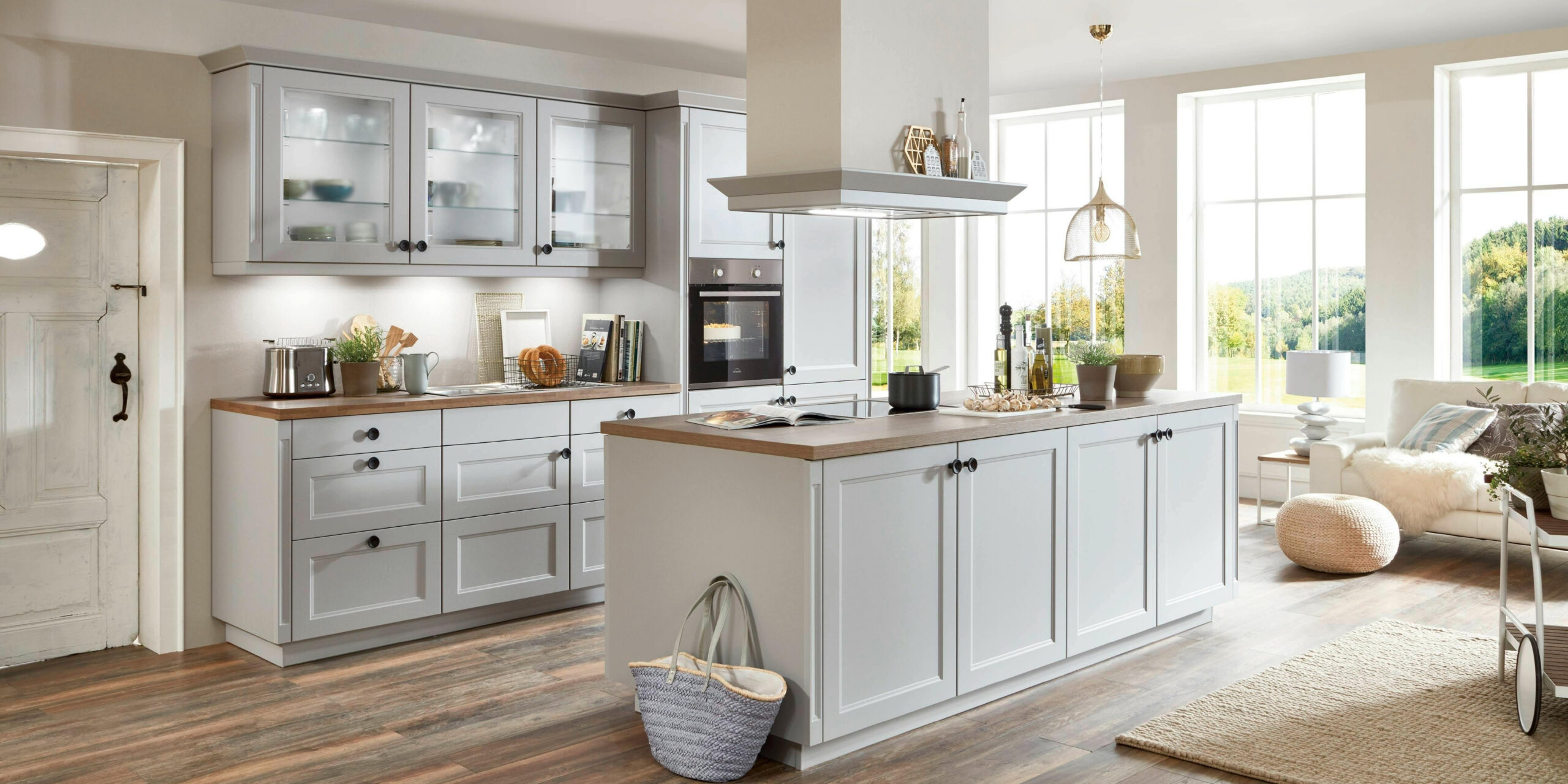
2. Refresh Before You Replace
One of the biggest mistakes homeowners make is assuming everything needs replacing.
In reality, buyers are usually looking for a home that feels clean, modern and well cared for, not necessarily brand new.
Take kitchens as an example.
Unless it’s badly outdated or damaged, replacing an entire kitchen often delivers a disappointing return.
Instead, consider refreshing what’s already there:
- New cabinet doors
- Modern handles
- Updated worktops
- Contemporary splashbacks
- Better lighting
- Fresh decorating
Bathrooms are much the same.
Replacing worn silicone, renewing grout, fitting modern taps, updating mirrors and improving lighting can dramatically change the feel of the room without the cost of a complete refurbishment.
Often, thoughtful improvements deliver almost the same visual impact as a full renovation, for a fraction of the price.
3. Create Better Living Space, Not Just More Space
Additional square footage can add value, but only if it improves the way the property lives.
That’s why we always encourage homeowners to think carefully before embarking on major structural work.
Could you create a home office by reconfiguring an existing room?
Would opening the kitchen into the dining area improve everyday family life?
Could unused space become a practical utility room?
Sometimes improving the layout delivers a better return than extending the property altogether.
If you’re considering a loft conversion, garage conversion or extension, ask yourself whether the finished result genuinely makes the property more attractive to your likely buyer.
More space isn’t always the answer.
Better space usually is.
4. Invest in Energy Efficiency
Energy performance has become far more important to buyers than it was a decade ago.
With household running costs still firmly on buyers’ minds, homes that are warmer, cheaper to run and more energy efficient often stand out from the competition.
Depending on your property, worthwhile improvements could include:
- Improving loft insulation
- Installing a modern boiler
- Upgrading windows where appropriate
- Smart heating controls
- LED lighting
- Draught proofing
Many of these improvements not only make your property more attractive when you sell—they also save money while you continue living there.
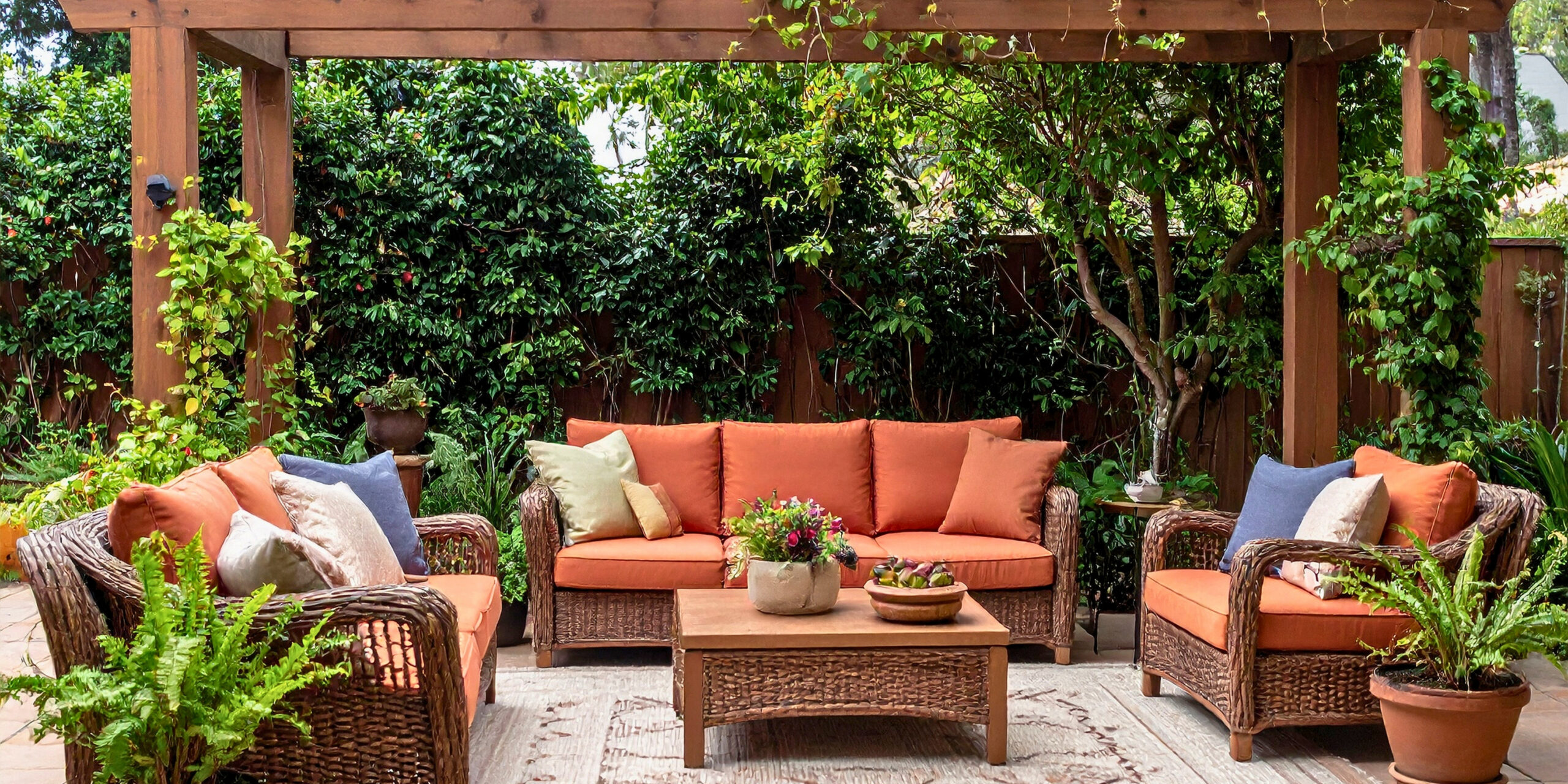
5. Make the Most of Your Outdoor Space
Outside space is no longer just a bonus feature.
For many buyers, it’s an extension of the home.
Whether it’s a compact courtyard or a generous family garden, think about how people will use the space rather than simply how it looks.
A well-designed patio, attractive planting, outdoor lighting and defined seating areas can completely transform the way buyers perceive a garden.
In lifestyle locations across Poole, such as Lilliput, Whitecliff and Sandbanks, quality outdoor entertaining space can be every bit as important as the kitchen itself.
6. Finish the Jobs You’ve Been Meaning to Do
It’s remarkable how often small maintenance issues influence buyers’ perceptions.
A dripping tap, Peeling paint, A loose door handle, Cracked sealant, A sticking door. Individually, they’re minor. Collectively, they create uncertainty.
Buyers naturally begin wondering what else hasn’t been maintained.
Completing those long-overdue jobs before marketing your property is one of the simplest ways to increase buyer confidence.
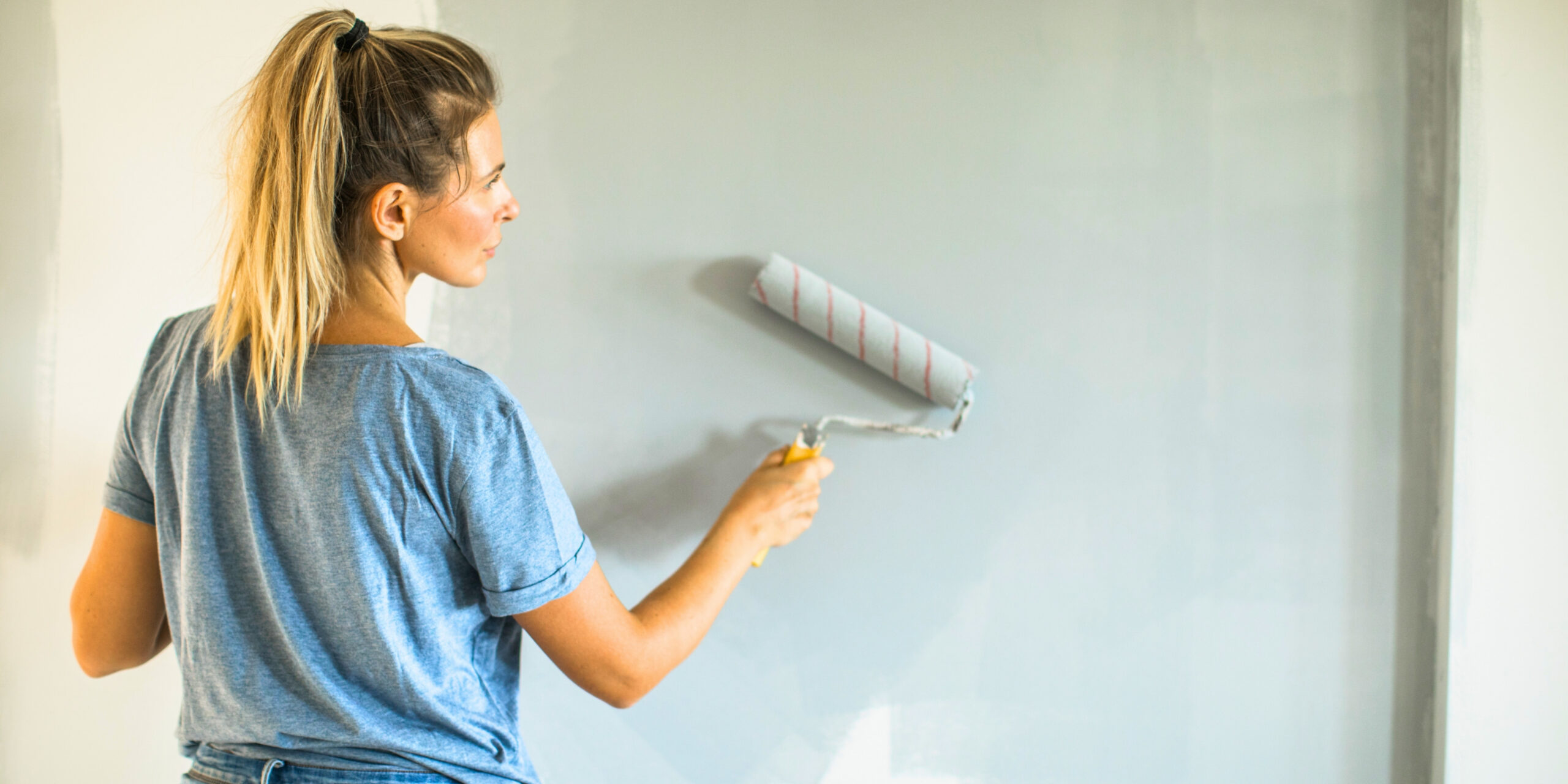
7. Decorate for the Next Owner, Not Yourself
Personal taste is exactly that, personal.
While bold colours, feature walls and bespoke finishes may perfectly suit your style, they can make it harder for buyers to imagine the property as their own.
Fresh, neutral decoration creates a brighter, cleaner and more spacious feel without making the home appear bland.
Likewise, replacing worn carpets or dated flooring often provides a stronger return than homeowners expect.
You aren’t trying to remove character.
You’re simply allowing buyers to picture their own lives within the space.
8. Don’t Overcapitalise
This is perhaps the most valuable advice we can offer.
Every property has what’s commonly known as a ceiling price, the highest value buyers are generally willing to pay in that particular location.
No matter how luxurious the finishes, spending £100,000 improving a property doesn’t automatically increase its value by £100,000.
We’ve seen homeowners install designer kitchens, bespoke home cinemas and luxury bathrooms that cost a fortune but added surprisingly little to the final sale price.
Before committing to major renovations, it’s worth understanding whether your neighbourhood can actually support the additional value.
Sometimes spending less delivers a better return.
9. Be Careful Not to Remove the Features Buyers Want
Adding value isn’t only about choosing the right improvements.
It’s also about avoiding the wrong ones.
We’ve seen well-intentioned renovations reduce buyer appeal because they removed features people actively wanted.
Examples include:
- Converting a four-bedroom home into three bedrooms to create a dressing room.
- Removing a garage without retaining useful storage.
- Sacrificing family garden space for oversized extensions.
- Creating highly specialised rooms with limited appeal.
If you’re planning structural changes, it’s worth considering how future buyers will view the property, not just how it suits your current lifestyle.

10. Speak to an Estate Agent Before You Speak to a Builder
If you’re planning to spend thousands of pounds improving your home, this may be the most valuable advice in the entire article.
Before requesting building quotes, ask a local estate agent a simple question:
“If this were your property, where would you spend the money?”
At Martin & Co Poole, we regularly advise homeowners before they begin renovation projects.
Not because we’re builders or architects, but because we understand what buyers are looking for today, what commands stronger offers and which improvements are unlikely to deliver a worthwhile return.
Sometimes a 30-minute conversation can save you thousands of pounds.
Final Thoughts
Adding value to your home isn’t about chasing trends or undertaking the biggest renovation you can afford.
It’s about understanding your market.
The homes that achieve the strongest prices are usually those that feel well maintained, easy to move into and suited to modern lifestyles. They aren’t necessarily the most expensive to renovate, they’re simply the most appealing to the widest range of buyers.
Before investing in any significant improvement, it’s worth taking a step back and asking whether the work will genuinely make your property more desirable, or simply make it more personal.
If you’re unsure, we’re always happy to offer honest advice.
A short conversation before you start could save you a significant amount of time, money and unnecessary work.

Frequently Asked Questions
What home improvements add the most value?
Improvements that typically deliver the strongest return include improving kerb appeal, refreshing kitchens and bathrooms, enhancing energy efficiency, creating more practical living space and completing cosmetic updates that make the property feel well maintained.
Should I fit a new kitchen before selling?
Not necessarily. If your existing kitchen is functional and in good condition, updating doors, worktops, lighting and decoration often provides a better return than replacing the entire kitchen.
Is extending my home always worth it?
No. Extensions can add value, but only if they improve the property’s layout and the local market supports the additional value. It’s important to consider the ceiling price for your area before investing.
Does improving my EPC rating help when selling?
Yes. Buyers are increasingly conscious of running costs, and energy-efficient homes are often more attractive because they offer lower utility bills and greater comfort.
Can home improvements reduce property value?
They can. Removing bedrooms, sacrificing parking or creating highly personalised spaces can limit buyer appeal and reduce the property’s marketability.
Should I speak to an estate agent before renovating?
Absolutely. Every property is different. The improvements most likely to increase your home’s value will depend on factors such as its location, condition, target buyer and the local property market. Before committing to major renovations, it’s worth seeking professional advice to ensure your investment is likely to deliver the best possible return. A local estate agent understands what buyers are looking for in your area and can help you focus your budget on improvements that are most likely to deliver a worthwhile return.
Thinking of Selling Your Property in Poole?
If you’re planning improvements before selling, we’d be happy to offer honest, practical advice based on what buyers are looking for in today’s market.
At Martin & Co Poole, we help homeowners make informed decisions that maximise both their property’s appeal and its potential sale price.
Visit us at 109 Commercial Road, Parkstone, or contact our team today to arrange your free, no-obligation property valuation.