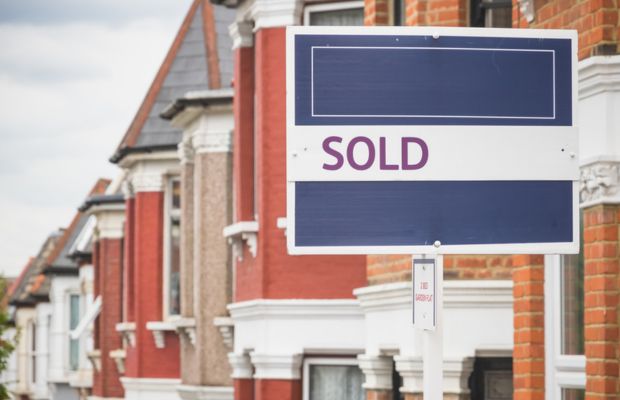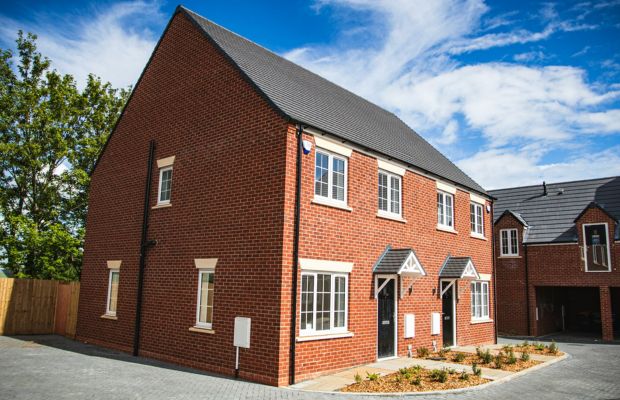
Repossessed properties represent a legitimate pathway into property ownership or investment. When homeowners stop making mortgage payments, lenders reclaim properties and sell them to recover losses. This creates a different market dynamic with distinct advantages and considerations that suit certain buyers well. Understanding both the benefits and realities helps you decide whether this route aligns with your circumstances.
Related: The hidden costs of buying a house: what to budget for beyond the purchase price
What is a repossessed property?
When someone stops making mortgage payments, the lender eventually repossesses the property and sells it through auction, estate agents, or specialists. Because lenders prioritise speed, these sales often move faster than standard transactions.
The advantages of buying repossessed
Value proposition is the primary benefit. Repossessed homes typically sell for 10-30% below market value, though the discount varies depending on your region and current market conditions. Lenders are legally required to achieve the best price reasonably obtainable for the borrower, balancing speed of sale with value recovery. This price advantage opens access to properties that might otherwise be out of reach or delivers meaningful savings on comparable homes nearby.
The transaction moves more swiftly than standard sales without a homeowner to coordinate with. No chain means clearer timelines and straightforward negotiations with a motivated seller. Completion can happen within weeks rather than months if your finance is arranged, which appeals to those with clear property goals and ready resources.
Many repossessed properties offer renovation potential. Buyers willing to take on projects can add value through improvements. For buy-to-let investors, this combination of entry price and value-growth opportunity creates a compelling investment case when management and budgeting are sound.
Related: A buyer’s guide: What happens on completion day?
What to understand before buying
Properties in repossession sales come with a different structure. They sell “as seen” with no guarantees or repairs, and you won’t receive a property information form or fixtures list. This means undiscovered problems become your responsibility, so professional inspection becomes more important than in standard purchases.
Legal complexity is inherent to repossessed sales. Legal packs can be detailed and require careful review, and compressed timelines demand swift decision-making. Solicitors experienced with repossessions become essential to navigate this safely and protect your position.
Market competition is often intense, which can drive prices closer to open market value in popular areas. Some mortgage lenders treat repossessed properties as higher-risk acquisitions and may require larger deposits or more detailed assessments, so finance arrangements need confirming early.
Key factors to consider
- Your financial position must be solid. Have mortgage finance arranged before bidding – lenders often set tight completion deadlines.
- A professional property survey identifies problems early. Don’t skip this to save money.
- Use a solicitor with repossession experience. Standard conveyancing won’t suffice here.
- Understand true renovation costs through professional quotes. Many buyers underestimate expenses, wiping out price advantages.
- Work out property investment ROI honestly to ensure the purchase makes financial sense.
Related: How much should I offer on a house?
Is this route right for you?
Different buyers approach repossessed properties successfully depending on their circumstances. Experienced investors with cash available and understanding of renovation costs often find strong returns here. The combination of lower entry price, rapid timeline, and value-add potential suits this profile well.
First-time buyers can find this pathway viable, particularly if they combine professional support from the start, have adequate finance arranged, and understand renovation requirements. Accessing the property ladder at reduced cost works well when you have realistic expectations and aren’t seeking move-in-ready accommodation.
Renovation-focused buyers who understand building work and have contingency budgets often thrive with repossessed purchases. The challenge of a project property appeals to those with both expertise and financial capacity.
Consider your own position carefully. If you prioritise certainty, guarantee structures, and minimal surprises, standard market purchases align better with your needs. If you value speed, don’t have renovation experience, or need a property in perfect condition immediately, repossessed properties require more complexity than your circumstances support. Neither approach is wrong – they suit different priorities and timescales.
Related: Buying homes at auction: Your complete guide to auction properties
Tips to minimise risks
- Get finance arranged before you start looking. This removes delays and keeps you competitive when opportunities arise.
- Commission a full property survey even though the price appeals. Surveys cost far less than discovering major problems post-purchase, and give you concrete evidence of condition.
- Use a specialist solicitor and don’t rush their advice, even when lenders push timelines. Their experience protects you during rapid transactions.
- Know your absolute maximum budget including realistic renovation costs and stick to it. Emotion during auctions leads to overpaying and poor investment decisions.
- View properties yourself if possible. Photos and descriptions miss important details about condition, access, and neighbourhood factors that matter for your decision.
- Have an Agreement in Principle from your lender before you bid. This shows you’re serious and can move quickly if your offer is accepted.
The outlook
Repossessed properties represent a genuine alternative route to property acquisition. The price advantages are real, the timeline can be swift, and for prepared buyers, the outcomes are strong. These benefits are significant enough that this market attracts experienced investors and first-time buyers alike.
The key is preparation. Professional support, thorough due diligence, and realistic budgeting transform a complex purchase into a manageable one. When you approach it systematically with survey evidence, specialist legal advice, and clear financial limits, you’re making an informed decision based on facts rather than assumptions.
Whether this route suits you depends on your circumstances, timescale, and appetite for a more hands-on purchase process. It’s not the right choice for everyone, but it’s absolutely the right choice for many. The difference lies in honest self-assessment and proper groundwork from the start.
For advice on buying a property locally and exploring whether repossessed purchase is ideal for your situation, speak with your local Martin & Co branch.