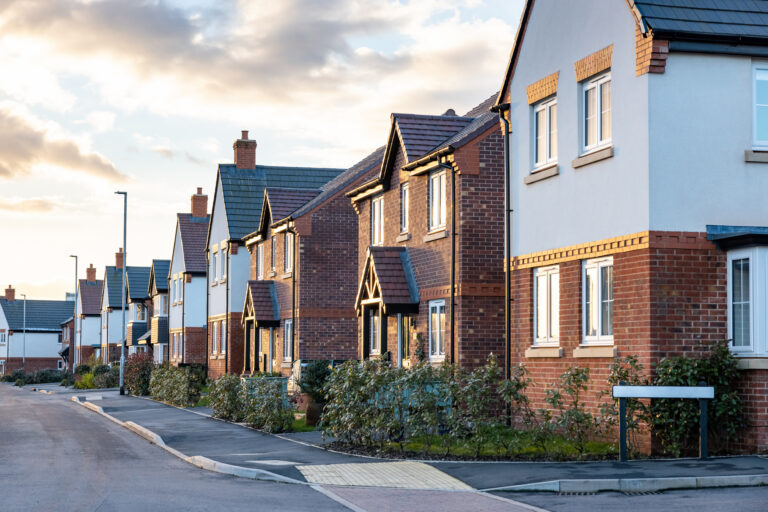
The UK housing market rarely moves in unison. Some years favour London, others reward commuter belts or regeneration hotspots. In 2026, however, the spotlight is firmly on Scotland.
Recent Zoopla analysis places multiple Scottish towns and cities at the top of the rankings for expected house price growth. While parts of Southern England are forecast to see more subdued performance, Scotland is positioned for consistent and sustainable progress.
What is driving this shift, and what does it mean for homeowners and investors?
Related: Latest UK property market data
Scotland’s strongest markets are built on solid foundations
The areas forecast to lead price growth in 2026 include Motherwell, Glasgow, Paisley, Falkirk, Kirkcaldy, Edinburgh, Kilmarnock, Perth and Inverness. These are not speculative boom locations. They share dependable, practical strengths.
Property values in many of these towns and cities remain competitive compared with much of England. At the same time, they benefit from established employment centres, strong transport links and well-developed amenities. That combination supports organic demand rather than short-term volatility.
Homes are also selling efficiently. Faster transaction times and fewer significant price reductions point to realistic pricing and active buyer engagement.
A broader structural shift sits behind this performance.
Affordability is reshaping buyer behaviour
Higher mortgage rates over the past two years have fundamentally changed purchasing decisions. Affordability is now central to almost every move.
Here, Scotland has a distinct advantage.
Average prices across many Scottish towns remain lower than in southern regions. For first-time buyers and movers alike, this expands access to home ownership. Where monthly repayments remain manageable, demand tends to remain resilient even in a more cautious climate.
This does not signal unchecked price rises. Instead, it creates the conditions for measured and reliable growth.
Why stock levels are protecting values
Supply conditions provide another important layer of support.
In several of the top-performing Scottish markets, the proportion of homes sitting unsold for extended periods remains modest. When supply and demand are more closely aligned, sellers are less likely to resort to aggressive reductions, helping to preserve pricing confidence.
In contrast, some southern areas are experiencing longer marketing periods and higher listing volumes, increasing competitive pressure among sellers.
Scotland is not facing excess supply, and that structural alignment matters.
The South recalibrates while Scotland progresses
The southern property market is not collapsing, but it is recalibrating.
Higher average values in London and the South East stretch borrowing further. As affordability tightens, activity slows. Sales take longer, and buyers become increasingly selective.
Opportunity still exists in the South, but growth is likely to remain more modest compared with Scotland’s outlook for 2026. The difference is not dramatic. It reflects underlying economic alignment.
What does this mean if you are selling in 2026
For homeowners considering selling next year, Scotland’s position at the top of the growth rankings is encouraging.
Strong conditions, however, do not remove the need for disciplined pricing. Buyers remain informed and cautious. Launching at an evidence-based valuation remains the most effective way to generate early interest and avoid unnecessary adjustments.
In active areas, well-presented properties priced accurately can attract serious enquiries quickly.
What this means for buyers and property investors
For buyers, Scotland continues to offer relative value within the wider UK landscape. Competitive pricing combined with steady demand suggests that purchasing in 2026 could support reliable long-term returns rather than short-term fluctuation.
For landlords and property investors, the outlook is equally compelling. More accessible purchase prices, alongside sustained rental demand in key towns and cities, can enhance potential yield performance.
As always, outcomes vary by property type, price bracket and neighbourhood. Local expertise remains essential.
A year defined by structural strength
National averages may dominate headlines, but they rarely reflect local reality. The UK housing market in 2026 will be shaped by variation rather than uniform movement.
Scotland’s advantage lies in its structural alignment. Competitive pricing, consistent demand and disciplined supply conditions provide the foundation for steady progression.
At Martin & Co, we believe confident decisions are built on local knowledge. Whether you are planning to sell, buy or expand your portfolio, your local Martin & Co branch can help you navigate Scotland’s evolving property landscape with clarity and assurance.